First Time In Hong Kong? Check out these travel tips for a stress free visit
Visiting Hong Kong for the first time and feeling overwhelmed by trip planning? You’ve come to the right place!
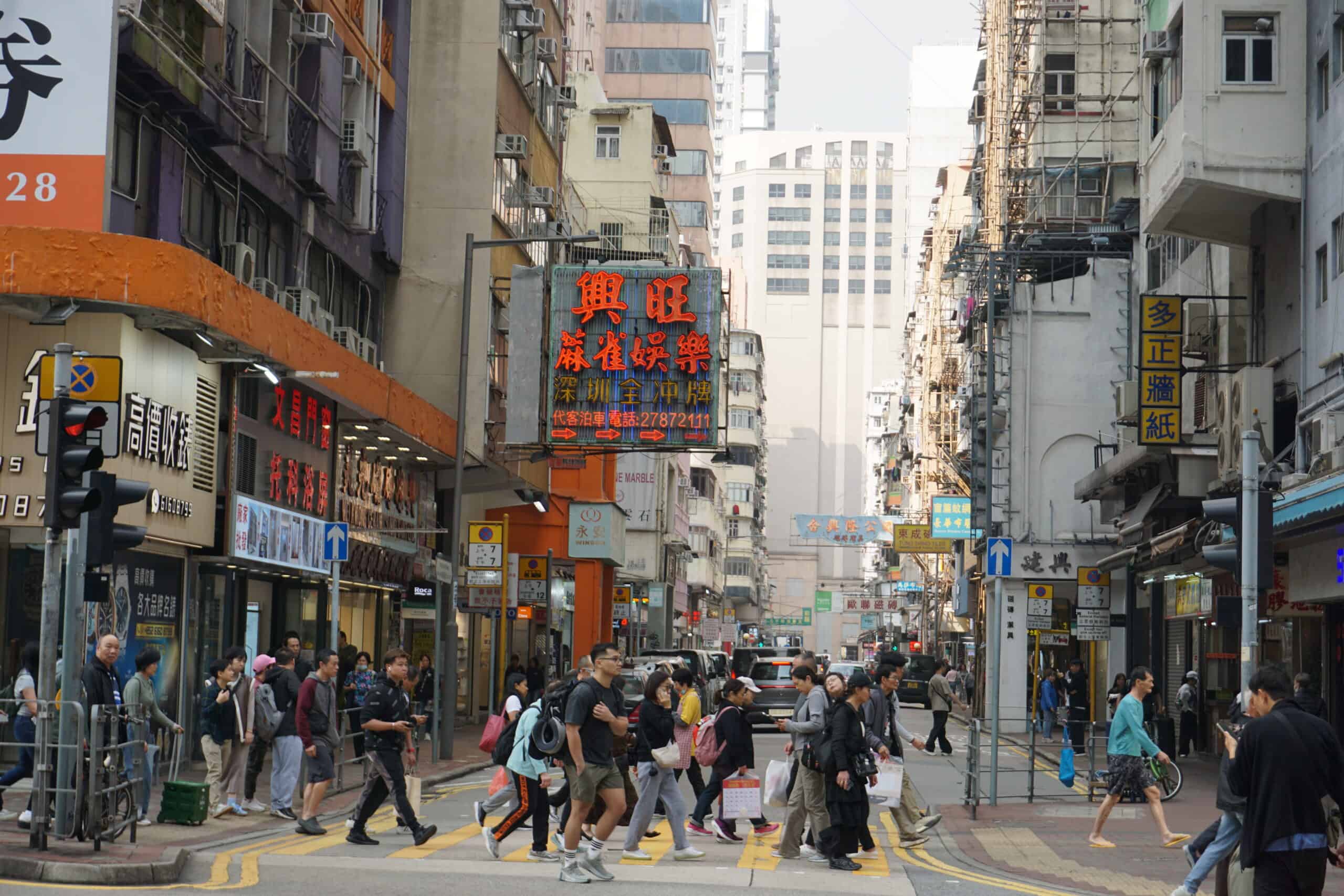
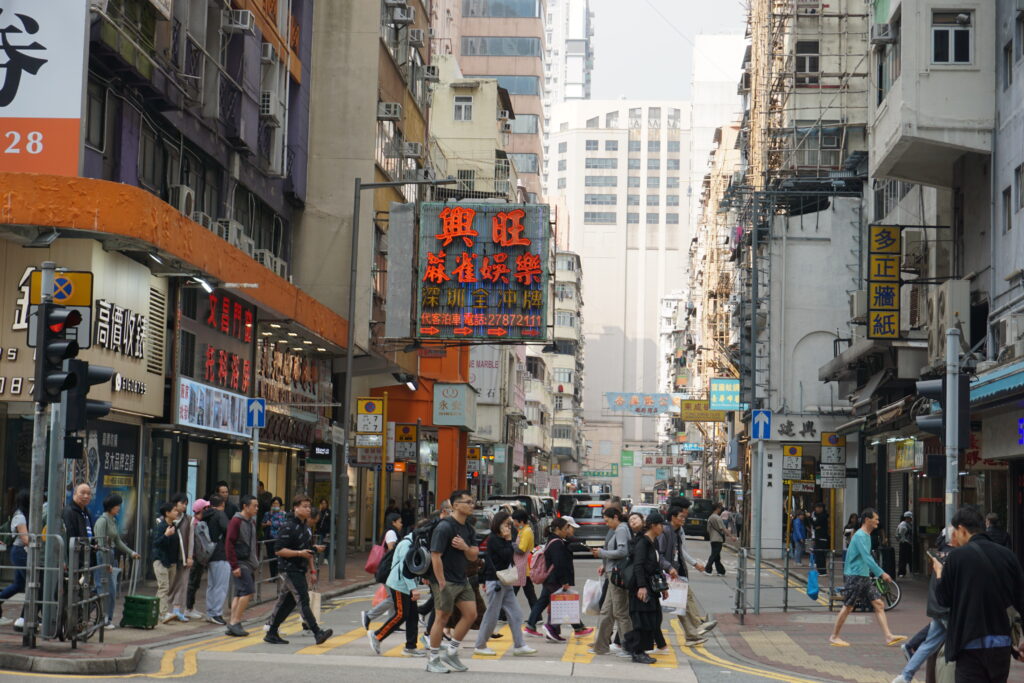
Hong Kong is pure sensory overload. Towering skyscrapers, crowded streets, neon lights, and so many exciting things to do, it can be hard to craft an itinerary.
Yet, despite all its many offerings, Hong Kong is surprisingly easy to navigate once you know a few key tips.
I’ve spent time exploring Hong Kong, and I know that a little preparation and a few insider tips can make all the difference between coming into your trip stressed versus feeling confident, prepared, and ready to enjoy everything the city has to offer.
In this guide, I cover everything you need to know as a first-time visitor. We’ll get into when to go, how to get around, and where to stay. I provide practical Hong Kong travel tips and cover the top things to see and do. By the time you finish reading, you’ll have a clear picture of how to plan your trip and hit the ground running.
Ready? Let’s dive in!
Please note this post may contain affiliate links. If you click on one, I may earn a small commission at no extra cost to you. See my Privacy Policy for more information.
Is Hong Kong Worth Visiting?
I believe every place is worth visiting at least once, and Hong Kong is no exception.
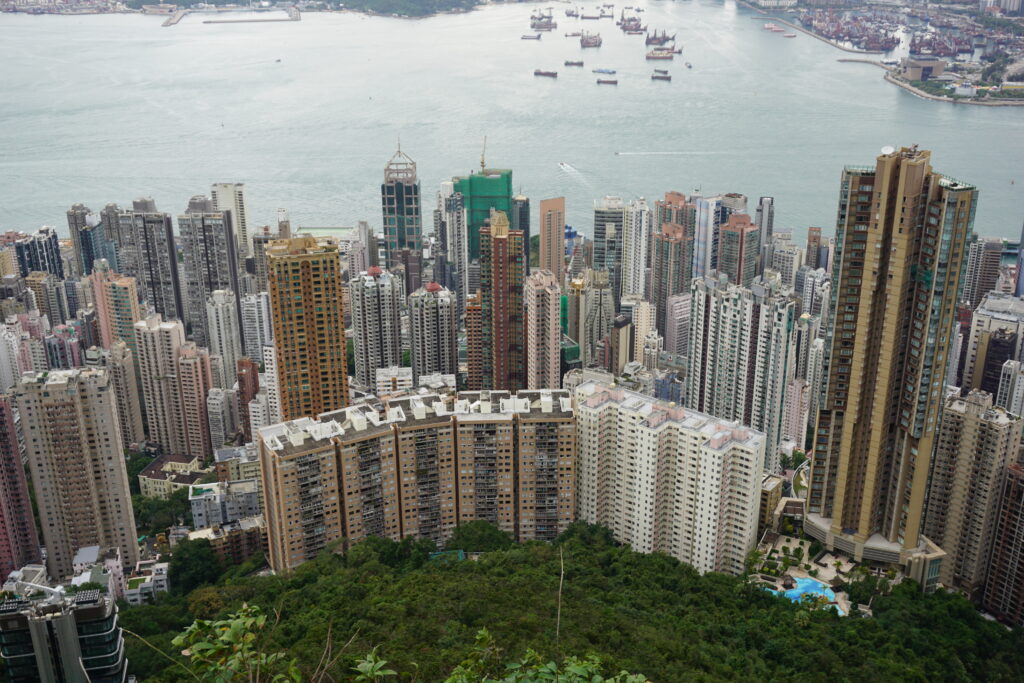
The city has such an amazing energy and an endless array of things to see and do. It’s the type of destination where you can visit a top-tier museum, eat Michelin-starred food, and go for a hike in the jungle, all on the same day.
Hong Kong is high on my list of places everyone should visit at least once in their lifetime, and it is an absolutely worthwhile destination!
When is the Best Time to Visit Hong Kong?
Hong Kong is a year-round destination, but generally, fall and winter are the most pleasant seasons to visit, while summer is the most challenging.
Fall (October to December): Arguably the best time to visit Hong Kong. The weather is warm but not oppressive, the humidity is lower, and there’s little to no rain. I visited in late December, and the weather was perfect – dry days, mostly sunny, and often so warm you didn’t need a coat. The negative is that this is a popular time to visit, so prices and crowds can be higher.
Winter (January to February): The weather is mild and dry, with cooler temperatures that make sightseeing comfortable. Just note that accommodations and flights can still be pricey, particularly around Lunar New Year when the city is busy with celebrations and travel demand spikes.
Spring (March to May): Warmer temperatures and increasing humidity. Fog and rain become more common, especially in March and April, which can affect sightseeing plans. This is considered shoulder season, though, so you may find better deals if you’re willing to put up with some rain.
Summer (June to September): Hong Kong summers are hot, humid, and rainy. Not to mention the added risk of typhoons. While this is the cheapest time to visit in terms of flights and hotels, the weather can make sightseeing uncomfortable, especially if you plan to spend a lot of time outdoors. For up-to-date weather forecasts and typhoon warnings, check the Hong Kong Observatory website before your trip.
Again, I don’t think there’s any bad time to visit Hong Kong, but if possible, try to avoid the summer months as the heat, humidity, and heavy rains can make it hard to get out and explore the region.
How Many Days To Spend in Hong Kong?
This really depends on your travel style and overall itinerary. Most people spend 2–3 days in Hong Kong before continuing on to other destinations in Asia, and I firmly believe you need at least two full days to see the city’s highlights. That said, you could easily dedicate 6–7 days to Hong Kong and still stay busy by exploring the surrounding islands, the New Territories, and even taking a day trip to Macau.
If you’re on the fence about how much time to spend, here’s a quick breakdown of what you can realistically fit into different lengths of stay:
2–3 Days: City highlights. Ride the Peak Tram, take the Star Ferry, explore Central and Tsim Sha Tsui, visit a temple or two, and get a solid introduction to Hong Kong’s food scene. Fast-paced, but doable.
4–5 Days: Get out of the city and experience more of what makes Hong Kong special. Take a day trip to Lantau or Lamma Island. Explore different neighborhoods like Mong Kok or Sheung Wan. Take a scenic hike or head to the southern part of the island to see Stanley or Aberdeen, or head to Macau for the day.
6 Days or More: Hong Kong is your oyster! Really dig in: Ride the ding ding to Kennedy Town, take a day trip to Tai O on Lantau Island, casually explore local neighborhoods and markets, and definitely take a day trip to Macau. Six days is also ideal if you want a more relaxed pace or plan to mix sightseeing with hiking and nature.

Do You Need a Visa to Visit Hong Kong?
Most travelers do not need a visa to visit Hong Kong for short stays. Citizens of the United States, the United Kingdom, Canada, Australia, and most EU countries can enter visa-free for tourism, typically for stays ranging from 7 to 90 days, depending on nationality.
That said, entry requirements can change, and visa rules vary by passport. Before you travel, check the Hong Kong Immigration Department website to confirm the latest requirements and ensure you can enter Hong Kong without issues.
Money in Hong Kong
Even though technically a part of China, Hong Kong uses its own currency, the Hong Kong Dollar (HKD).
While I recommend withdrawing some cash for your trip, you don’t need much. Most transactions can be made with a credit or debit card or an Octopus card.
What is an Octopus card? This handy piece of plastic is your all-in-one access to public transit, restaurants, and even some tourist sights. Use your Octopus card to pay for the MTR, buses, and ding dings, or for a meal at a restaurant, or a souvenir in a shop. The cards are accepted almost everywhere in Hong Kong. Not buying one immediately upon arrival is a mistake to avoid at all costs.
You can buy an Octopus card at kiosks in the MTR stations or at 7-Eleven and Circle K locations across Hong Kong.

How to Get to Hong Kong From the Airport
Hong Kong International Airport is one of the easiest major airports to get in and out of. There are three easy ways to get to the city from the airport:
Airport Express: The fastest and most convenient option. Trains run every few minutes and take about 25 minutes to reach Hong Kong Station in Central, with stops in Kowloon and Tsing Yi along the way. It’s clean, efficient, and well signed in English, making it a great choice if it’s your first time in the city.
Taxis: Readily available outside the arrivals hall and are reasonably priced compared to many other major cities. If you’d rather not navigate public transport after a long flight, you can take a taxi directly to your hotel.
Public buses: The most budget-friendly option. They take slightly longer than the Airport Express but are comfortable and reliable. Buses connect the airport to many parts of the city and surrounding areas. If you’re not in a rush and want to save money, or you’re staying outside Central, this is a solid option.
Public Transport: How to Get Around Hong Kong
Hong Kong has one of the best public transportation systems in the world. It’s fast, clean, affordable, and extremely easy to use, even if it’s your first time visiting. With an Octopus card in hand, getting around the city is seamless.
- MTR (Mass Transit Railway): The backbone of Hong Kong’s public transit system. Trains are frequent, well signed in English, and connect Hong Kong Island, Kowloon, the New Territories, and the airport. It’s the fastest and easiest way to get around Hong Kong.
- Buses: An excellent option for reaching areas not served by the MTR. Also great for enjoying city views. Buses are modern and efficient, and routes and stops are clearly labeled in English.
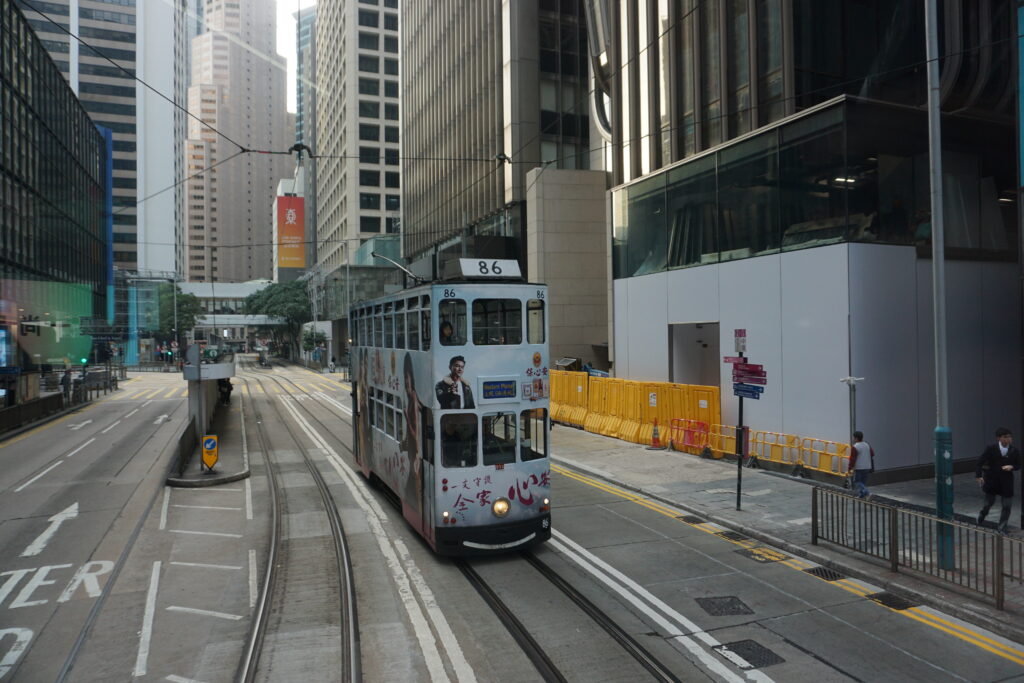
- Trams (Ding Ding): The iconic double-decker trams run along the northern side of Hong Kong Island. They’re slow but charming, incredibly cheap, and a fun way to see the city at street level. I found them especially enjoyable for short hops between neighborhoods.
- Ferries: Ferries are both practical and scenic. The Star Ferry across Victoria Harbour is a must-do, but ferries also connect Hong Kong Island to Kowloon and outlying islands like Lamma and Lantau.
Overall, Hong Kong’s transit system is intuitive and stress-free. Tap in and out with your Octopus card, follow the clear signage, and you’ll be navigating the city confidently in no time.
Where to Stay in Hong Kong
Choosing the best areas to stay in Hong Kong can feel overwhelming at first, but the good news is that there’s no truly “bad” area to base yourself. Thanks to the city’s excellent public transportation, you can stay in a variety of neighborhoods and still get around easily. That said, each area has a slightly different vibe, and where you stay can shape your experience.
Central
Central is Hong Kong’s financial and business hub, and one of the most convenient places to stay. It’s highly walkable, well-connected by the MTR, and close to the major tourist attractions like Victoria Peak, the Star Ferry, and Hong Kong Park. Hotels here tend to be more expensive, but if you want to be in the middle of the action and don’t mind a more polished, corporate feel, Central is a great choice.
Sheung Wan
Just west of Central, Sheung Wan feels more local and laid-back while still being incredibly convenient. This area is known for its excellent food scene, traditional shops, and creative cafés. It’s a great option if you want easy access to Central without staying right in the business district.
Causeway Bay
If you love shopping, bright lights, and a high-energy atmosphere, Causeway Bay is for you. This area is packed with department stores, restaurants, and entertainment, and it’s well connected by the MTR. It can be busy and crowded, especially at night, but it’s a fun place to stay if you enjoy being surrounded by activity.
Kowloon
Deciding between Kowloon and Hong Kong Island is one of the first choices most visitors make. Kowloon often offers better value for money, especially when it comes to hotel size and price. Areas like Tsim Sha Tsui put you right along Victoria Harbour with fantastic skyline views and easy ferry access to Hong Kong Island. Kowloon also has great food, lively streets, and a slightly grittier, more local feel.

Practical Tips For Your First Time in Hong Kong
Want to avoid common mistakes first-time visitors make in Hong Kong? Here’s a cheat sheet of basic things you need to know before landing.
Get an Octopus card: This reloadable card is used for public transportation and small purchases all over the city, from the MTR to ferries and convenience stores. It’s easy to buy at the airport or any MTR station, and it saves you a lot of time.
Tap water isn’t typically drunk: While the tap water is technically safe, most locals boil it first. I used it for brushing my teeth without issue, but avoided drinking it directly.
Carry some cash: You won’t need much, but cash is useful for markets, small shops, and more traditional areas like Tai O. I found that a small withdrawal went a long way since Octopus and credit cards are widely accepted.
English is widely spoken and used on signage: People in Hong Kong speak Cantonese, but, due to Hong Kong’s history as a British colony, English is everywhere – from street signs to subway maps – and communication is rarely an issue for visitors.
Currency is the Hong Kong Dollar (HKD): Hong Kong uses its own currency, not the Chinese yuan. ATMs are easy to find throughout the city, but most places accept credit or Octopus cards.
Plugs and adapters: Hong Kong uses UK-style Type G plugs. If you’re coming from the US or Europe, you’ll need an adapter.
SIM card vs. free Wi-Fi: Free Wi-Fi is widely available in malls, cafés, and MTR stations, but a local SIM card can be useful for navigation on the go. SIMs are inexpensive and easy to buy at the airport or 7-Eleven.
Tipping norms: Tipping isn’t expected in Hong Kong. Some restaurants add a 10% service charge, and if you pay cash, rounding up the bill is more than enough.
Top 10 Things to Do in Hong Kong
This list isn’t meant to cover everything Hong Kong has to offer, but use this as a jumping-off point to start your Hong Kong travel planning.
- Victoria Peak and the Peak Tram: One of the most iconic experiences in Hong Kong. Ride the historic Peak Tram to the top for sweeping skyline views, then walk the Peak Trail for an easy, scenic loop.
- Ride the Star Ferry across Victoria Harbour: Simple, inexpensive, and surprisingly memorable. The historic short ferry ride offers fantastic views of both Hong Kong Island and Kowloon and is one of the most enjoyable ways to cross the harbor.
- Explore Mong Kok’s street markets: Mong Kok is loud, crowded, and endlessly fascinating. Wander through the Ladies’ Market, Flower Market, and nearby side streets for a true slice of everyday Hong Kong life. After dark, head to the Temple Street Night Market for some tasty street food and a lively atmosphere.
- Visit Man Mo and Wong Tai Sin Temples: These two temples offer very different experiences. Man Mo is traditional and atmospheric, while Wong Tai Sin has brought spirituality into the 21st century.
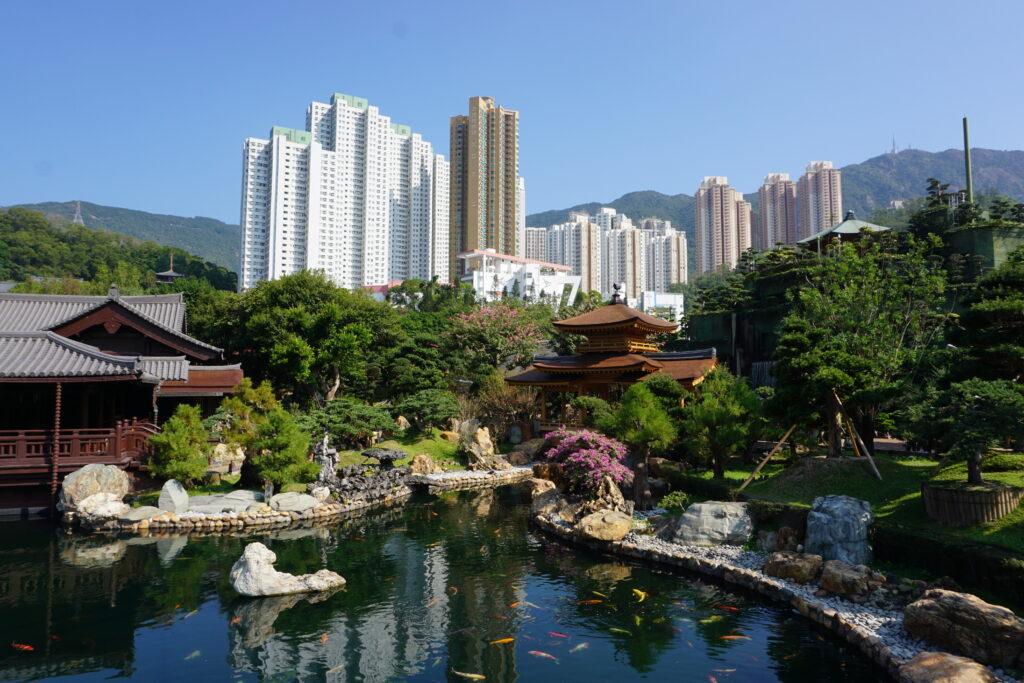
- Relax at Chi Lin Nunnery and Nan Lian Garden: A peaceful escape in the middle of the city. The gardens are beautifully designed and meticulously maintained, making this one of the most calming spots in Hong Kong.
- Walk the Tsim Sha Tsui Promenade and Avenue of Stars: This waterfront walk offers one of the most iconic views of Hong Kong. It’s especially lovely in the evening when the lights come on across Victoria Harbour.
- Ride the double-decker tram (ding ding): Slow, charming, and very local. Riding the tram is a great way to see Hong Kong Island at street level while giving your feet a break.
- Take a day trip to Lantau Island and see the Big Buddha: Lantau feels worlds away from the city. Ride the Ngong Ping cable car up to visit the Tian Tan Buddha and nearby Po Lin Monastery, and pair it with a stop in Tai O fishing village for a fuller day.
- Experience Hong Kong’s food culture: From dim sum to dai pai dongs and cha chaan tengs, food is a huge part of the Hong Kong experience. Be curious, try new things, and don’t overthink where you eat.
- Learn about local history at the Hong Kong Museum of History: An excellent introduction to Hong Kong’s past and cultural identity. It’s well-organized and informative. I recommend going early in your trip for some historical context on Hong Kong.

Now You’re Ready To Visit Hong Kong!
Planning a trip to Hong Kong may seem overwhelming at first, but now that you’re prepared, you’ll find it surprisingly easy to navigate and incredibly rewarding to explore.
Ready to take the next step on your Hong Kong trip planning journey? Check out my other Hong Kong travel guides to get started!
Read More: