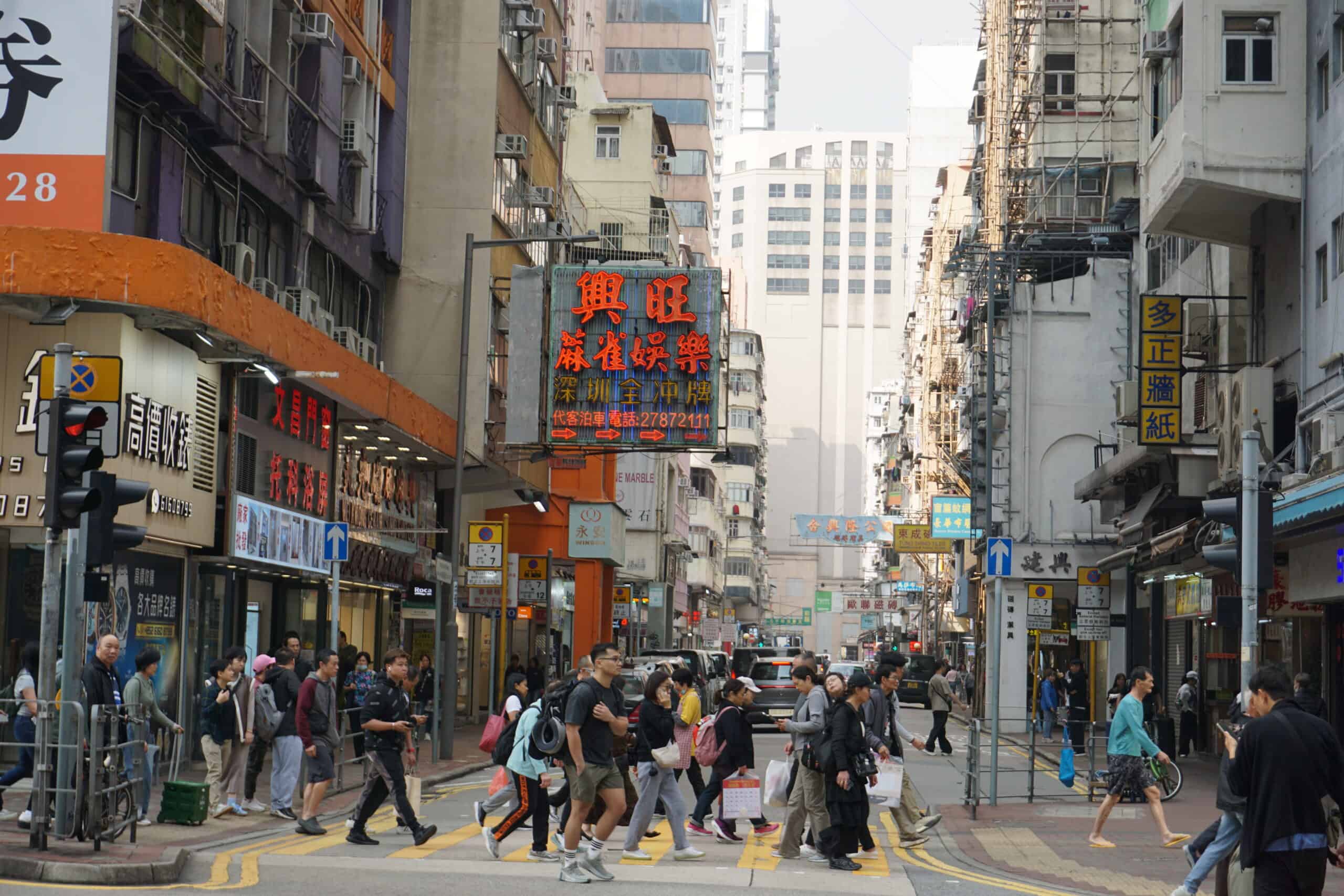
What NOT to do in Hong Kong: Dos and Don’ts Every First Timer Needs to Know
If you’re planning a trip to Hong Kong, you’re probably picturing glittering skylines, nonstop energy, incredible food, and one of the most dynamic cities in the world.
But if it’s your first time visiting Hong Kong, there’s a good chance you’re also feeling a bit overwhelmed.
How will you get around? Do you need cash? Is tipping expected? What’s considered polite — or impolite — when eating out?
After visiting Hong Kong, I realized that many of the biggest challenges for first-time visitors aren’t the major sights, but the small, everyday details that no one really explains. I had a handful of “I wish I’d known that earlier” moments that, while minor, would have made the trip feel smoother from day one.
That’s why I put together this guide. This post is all about what NOT to do in Hong Kong: common mistakes, cultural missteps, and easy-to-avoid oversights that can trip up first-time visitors.
So read on for my advice on how to avoid the missteps and get straight to enjoying the food, the neighborhoods, and everything that makes Hong Kong such an incredible place to visit.
Please note this post may contain affiliate links. If you click on one, I may earn a small commission at no extra cost to you. See my Privacy Policy for more information.
1. Don’t forget to get an Octopus card

One of the very first things you should do when you arrive in Hong Kong is get an Octopus card.
This rechargeable, contactless card is essential for getting around the city efficiently. It will also save you a huge amount of time and hassle.
The Octopus card is mainly used for public transportation, but its purposes go far beyond getting you on and off the MTR.
Use it to pay for your meals at restaurants, buy drinks at convenience stores like 7-Eleven, and even for iconic experiences such as riding the Star Ferry or taking the Peak Tram.
The card is incredibly easy to use and just as easy to top up. Pop into any 7-11 to add some money.
You can purchase your Octopus card at the airport when you arrive, or at any MTR station or 7-11 in the city. Get it as soon as possible – it will make your time in Hong Kong so much easier!
Pro Tip: Got an unused balance on your Octopus card at the end of your trip? Return it at the kiosk before heading to the airport and receive a refund on your balance.
2. Don’t forget to withdraw some cash
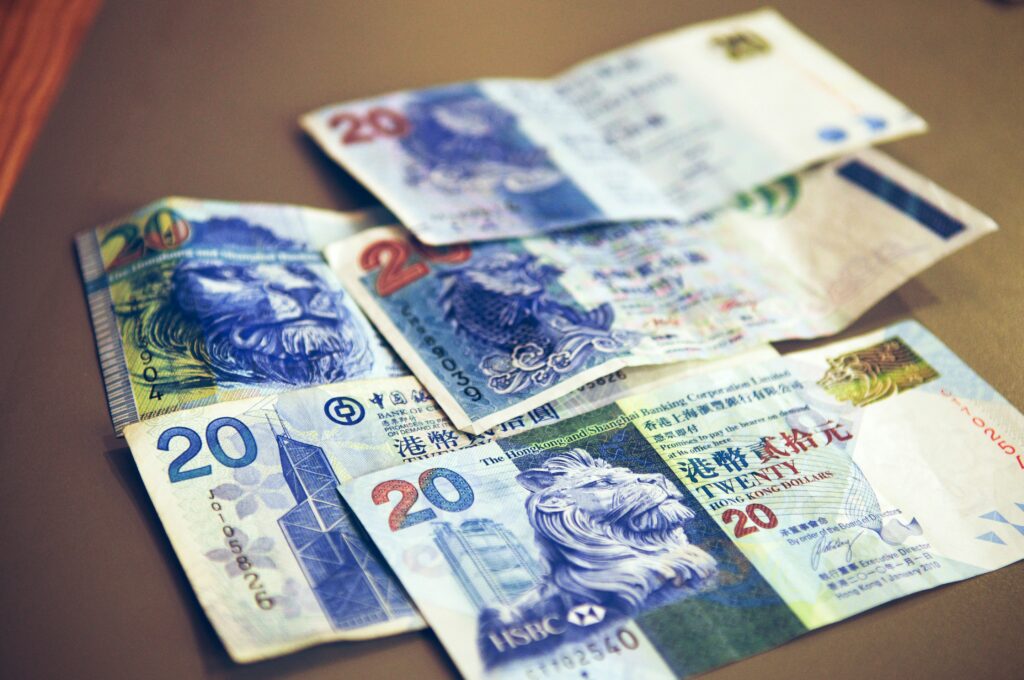
While Hong Kong is largely a cashless city, it’s still a good idea to withdraw some cash.
But not too much!
You’ll want small amounts of cash for mom-and-pop shops, street markets, or more traditional areas such as Tai O fishing village, where card payments aren’t always accepted.
Having a bit of cash on hand makes these moments much easier and less stressful.
That said, you can pay almost everywhere with an Octopus card or a credit card, so there’s no need to withdraw too much money.
For my six-day trip to Hong Kong, I withdrew 1,000 HKD (roughly $150 USD), and it ended up being the perfect amount.

3. Don’t drink the tap water
While Hong Kong’s tap water is technically safe to drink, it’s best not to drink it straight from the tap. Locals generally don’t, and most will advise visitors to avoid it unless the water has been boiled first.
This is partly a holdover from the past, when water and sanitation standards weren’t as strong, and partly due to how seriously Hong Kongers take cleanliness. Even today, there’s a general lack of trust that tap water is clean enough to drink without boiling it first. My sister-in-law, who is from Hong Kong, specifically warned me not to drink the tap water while I was there.
I had no issues using tap water to brush my teeth, but I didn’t want to take any chances when it came to drinking it (if you’ve ever had food poisoning while traveling abroad, you know you don’t want to take any chances in this department!).
To reduce plastic bottle use, boil tap water first and let it cool before filling your water bottle. Or, check whether your hotel offers a filtered water station for refills.
4. Don’t worry about tipping
Tipping is another area that often confuses first-time visitors, especially Americans. In Hong Kong, you’re not expected to tip at restaurants. It’s just not done there.
In some sit-down restaurants, you may see a 10% service charge already added to your bill, but you’re not expected to add anything to that.
If you’re paying with cash, it’s customary to round to the nearest dollar and leave the small change you receive, but even that is optional.
There’s no expectation to add an additional tip, and you won’t offend anyone if you don’t.

5. Don’t be afraid to use the free restrooms everywhere
One thing that pleasantly surprised me about Hong Kong is how easy it was to find a restroom… and how clean they were!
Free public restrooms are everywhere, including in parks, shopping malls, and MTR stations. You don’t need to hunt them down or plan your day around toilet breaks, which is a huge relief when you’re out all day sightseeing.
If you’ve traveled in Europe, you know how much of a commodity restrooms can be. Hong Kong is the complete opposite. You don’t need to buy something from a café or shop to use the restroom, and they’re generally clean and well-stocked.
6. Don’t forget to wear good walking shoes
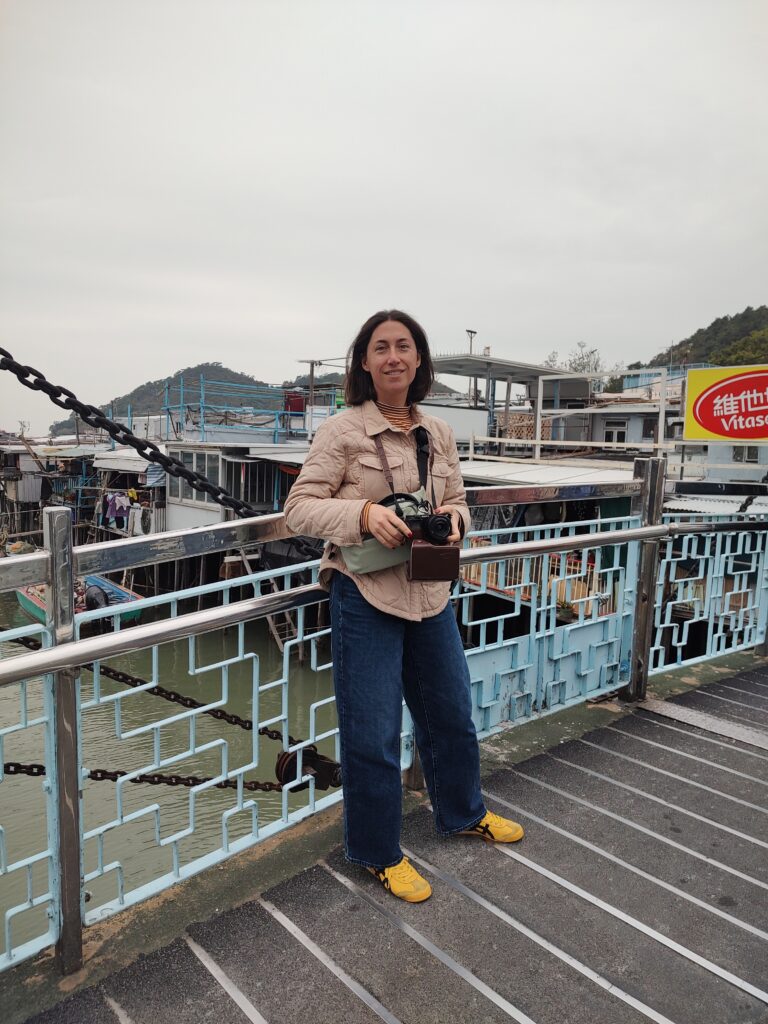
Comfortable walking shoes are essential for a trip to Hong Kong.
On my visit, I averaged about nine miles of walking per day. And that was with using public transportation!
While the MTR and buses make getting around easy, the best way to experience Hong Kong is on foot.
The city is fantastic for walking and exploring different neighborhoods, but it’s also very hilly. After all, it is built into a mountain. Sturdy, comfortable shoes will keep your feet happy and make a long day of sightseeing far more enjoyable.
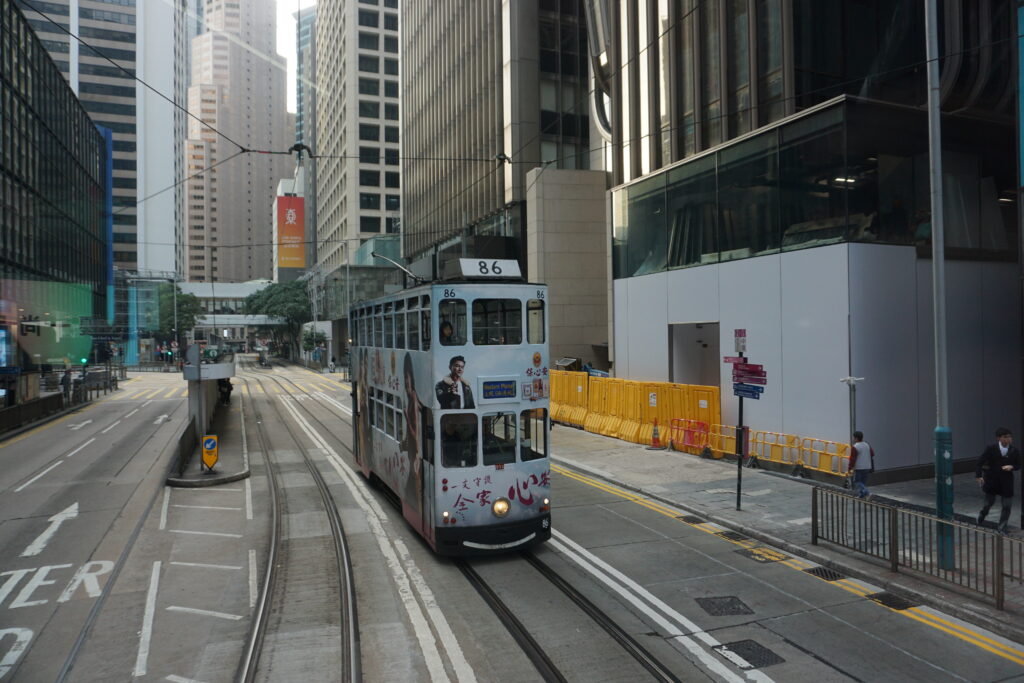
7. Don’t forget to take advantage of the public transit
Hong Kong’s public transportation system is one of the best in the world, and you’ll want to take full advantage of it.
Between buses, the iconic ding dings, and the MTR, there are plenty of ways to get around the city quickly and efficiently. The network is incredibly well-connected, and everything is accessible with your Octopus card, which makes hopping from one neighborhood to another easy.
Utilizing public transportation lets you easily zip all over Hong Kong and make the most of your limited time. Be sure to use Google Maps to find the best and fastest route.
Public transportation in Hong Kong is clean, safe, fast, and impressively efficient. It’s also genuinely fun and feels like a local experience. Plus, all the signage is in English, so it’s easy to navigate.
But, if you’re ever unsure, don’t hesitate to ask a local! People are generally happy to help.
8. Don’t leave the hotel without packets of tissues
One small thing I quickly learned in Hong Kong was to always carry a travel-sized pack of tissues with you.
Most restaurants don’t provide napkins, so if you need one, you have to bring your own.
The first time you realize this is usually mid-meal, when you have sauce on your face and reach for a napkin that isn’t there. After that, you won’t forget your tissues anytime soon.
Another reason to carry tissues with you is to use them in the restroom. While the public restrooms are generally clean and well-stocked, some private restrooms in restaurants don’t provide toilet paper. It’s not common, but it happens often enough that you’ll be glad you’re prepared.
Tossing a small pack of tissues in your day bag is an easy habit that saves you from an uncomfortable surprise later on.
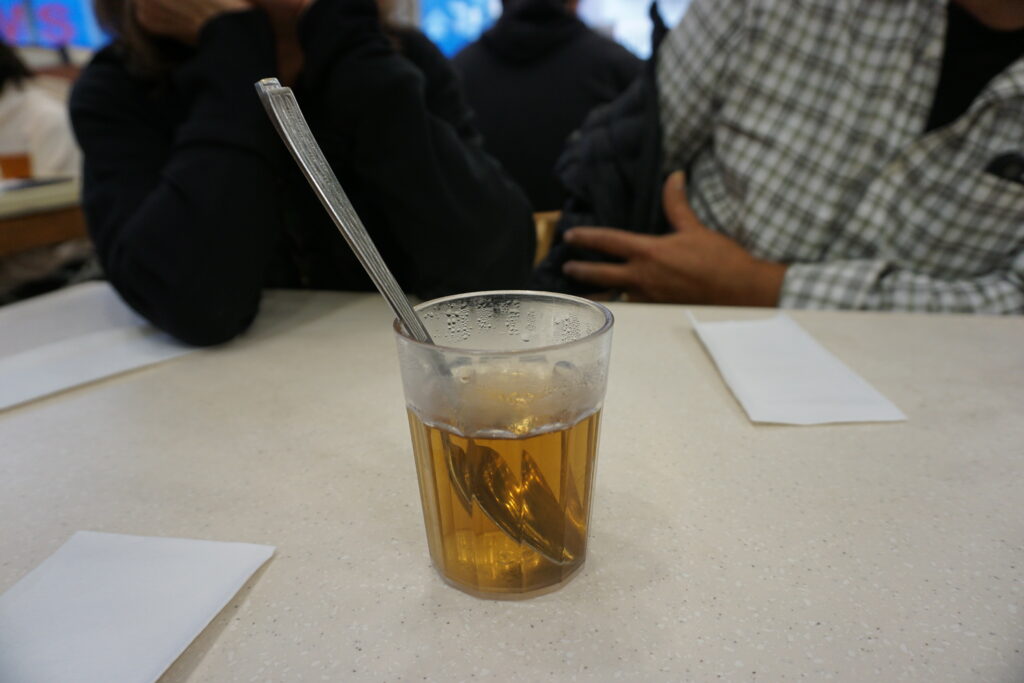
9. Don’t forget to wash your dishes at a restaurant
I had never heard of this custom prior to my trip, and boy, was I glad I had a local with me to point this out. I’m honestly not sure I would have picked up on this at all if my sister-in-law wasn’t a Hong Konger!
At many restaurants in Hong Kong, you’ll be given a cup or pot of boiling water when you sit down. Not for drinking, but to rinse your dishes and utensils before eating.
This custom dates back to a time when Hong Kong wasn’t as clean as it is today, and people sanitized their plates and chopsticks themselves before a meal. Even though restaurant standards are much higher now, the habit has stuck.
Not every restaurant does this, but many do. Sometimes you’ll get a bowl filled with hot water to rinse everything in, and other times it’s just a cup of boiling water meant for your utensils.
It’s not required, and I don’t think you’d get sick if you skipped it, but it’s helpful to know what’s going on. Especially so you don’t accidentally take a sip of water that was never meant for drinking…
It won’t hurt you (it’s just hot water), but it may earn you a few amused looks from nearby tables.
When in doubt, I found the best move was to glance around and see what everyone else was doing.
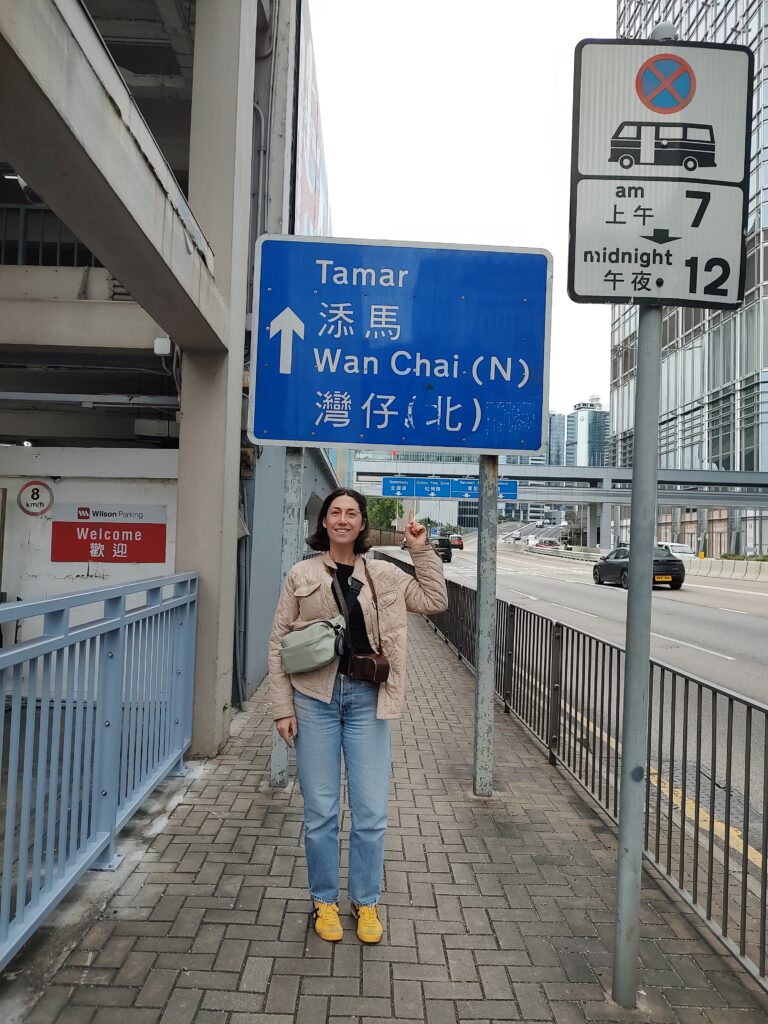
10. Don’t be afraid to learn some Cantonese (but don’t worry – English is everywhere)
If language barriers stress you out when traveling, then the good news is you can relax. English is everywhere in Hong Kong.
Because of Hong Kong’s history as a British colony, most people speak at least some English, and all major signage is bilingual. Road signs, subway maps, station announcements, and tourist information are all in both English and Cantonese. You can absolutely get by without speaking any Cantonese at all.
But that doesn’t mean you shouldn’t learn a bit.
Learning a few basic Cantonese phrases goes a long way. You don’t need much, just a few simple greetings and thank-yous are enough to break the ice and show a bit of effort. I used the Pimsleur App before my trip to learn some basics, and even my limited Cantonese helped warm people up and made interactions feel more personal.
The only time I found the language barrier to be an issue was in small towns and restaurants that catered to locals. Although even then, many places have English menus or photos to help you place your order.
For anything that isn’t translated, the Google Translate app was a lifesaver. I used it often for menus and the occasional sign and was able to get by.

11. Don’t worry too much about getting a SIM card (Wifi is everywhere)
Wi-Fi is incredibly easy to find in Hong Kong, which is why I personally skipped getting a local SIM card.
Free Wi-Fi is available all over the city, including in restaurants, shopping malls, and MTR stations. I was rarely far from a connection, and for most of the trip, that was more than enough to get by.
That said, there were moments when having mobile data would have been convenient. Especially when pulling up directions or checking public transit routes on the fly. Full disclosure, I was traveling with people who had international phone plans, and we definitely leaned on their data a few times to navigate between neighborhoods.
If having constant access to data while traveling makes you feel more comfortable, local SIM cards are cheap and easy to get.
Pick one up at the airport or any 7-Eleven store when you land, or buy an eSIM before your trip.

12. Don’t forget to explore Hong Kong’s neighborhoods
One of the best things I did in Hong Kong was slow down, pick a neighborhood, and explore it on foot.
Hong Kong is comprised of distinct neighborhoods, each with its own unique personality, rhythm, and surprises. Walking through them is where the city really comes alive. You’ll stumble across small temples tucked between high-rises, local markets buzzing with energy, and little shops and cafés you’d never find if you were just hopping between major attractions.
From the lively markets of Mong Kok to the historic streets and temples of Tai Ping Shan, every area has a unique feel.
Some of my favorite moments came from wandering without a strict plan and seeing what turned up around the next corner. Hong Kong is full of hidden alleys and neighborhood gems, so be sure to cut away from the main streets to find that spot that makes you feel like a local.

13. Don’t forget to take some day trips
It’s easy to spend your entire trip inside the city, but if you do, you’ll miss a huge part of what makes Hong Kong so special.
Even if you only have two or three days in Hong Kong, getting out of the city for a day is absolutely worth it. The region offers an incredible mix of nature, culture, and history that feels worlds away from the skyscrapers.
Some of my favorite experiences came from day trips. Lantau Island is an easy one, where you can visit the Big Buddha and wander through Tai O fishing village. If you’re up for a hike, the Lion’s Back trail on the southern side of the island offers stunning views with relatively little effort. You can even take a day trip to Macau for a completely different atmosphere.
There’s far more to Hong Kong than its urban core. Taking at least one day trip gives you a deeper, more well-rounded perspective on the region and adds so much richness to your visit.
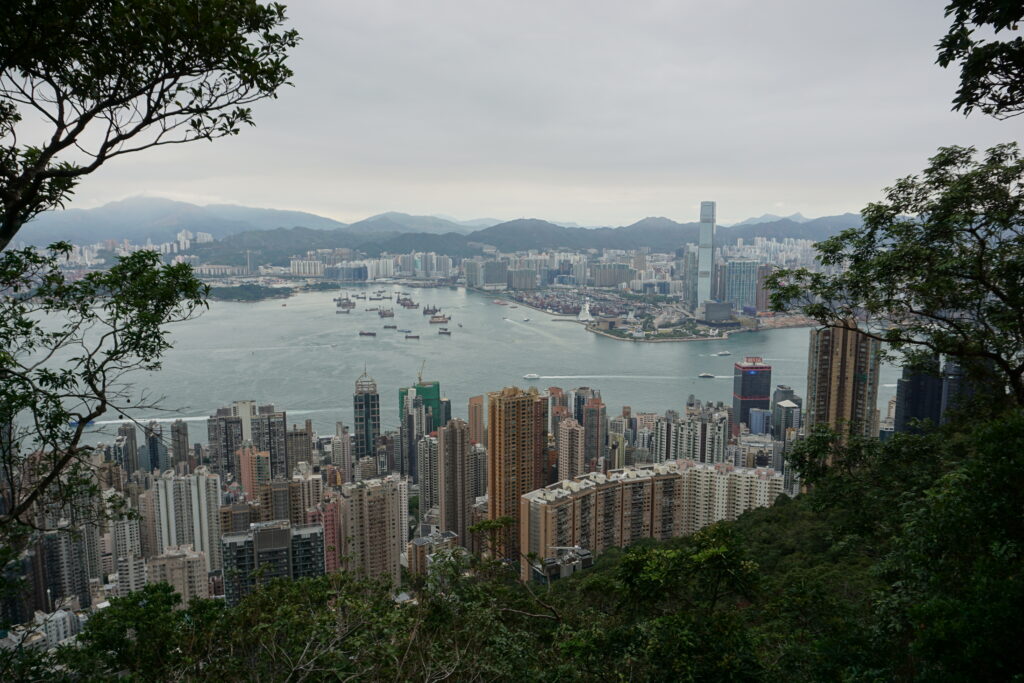
14. Don’t forget to take advantage of local parks and hiking trails
One thing that surprised me most about Hong Kong is just how much nature is woven into the city.
This megacity is built into a mountain and surrounded by forests, hills, and coastline, and it’s incredibly easy to escape into green space. Some of my favorite moments came from stepping away from the urban energy and getting out in nature, even if only for an hour or two.
If you’re short on time, simple walks still deliver. The Peak Trail at the top of Victoria Peak is an easy way to enjoy sweeping views without committing to a full hike. Hong Kong’s parks and gardens are also worth building into your itinerary. Hong Kong Park is home to the excellent Edward Youde Aviary, while Victoria Park offers a more local feel with views out toward the harbor.
For a blend of history and nature, Kowloon Walled City Park is fascinating and surprisingly peaceful. Nan Lian Garden is another standout—a beautifully designed, tranquil space that feels miles away from the surrounding city. Hong Kong makes it incredibly easy to pair world-class urban experiences with time in nature, and taking advantage of that balance is one of the best ways to experience the city.
15. Don’t skip the local cuisine
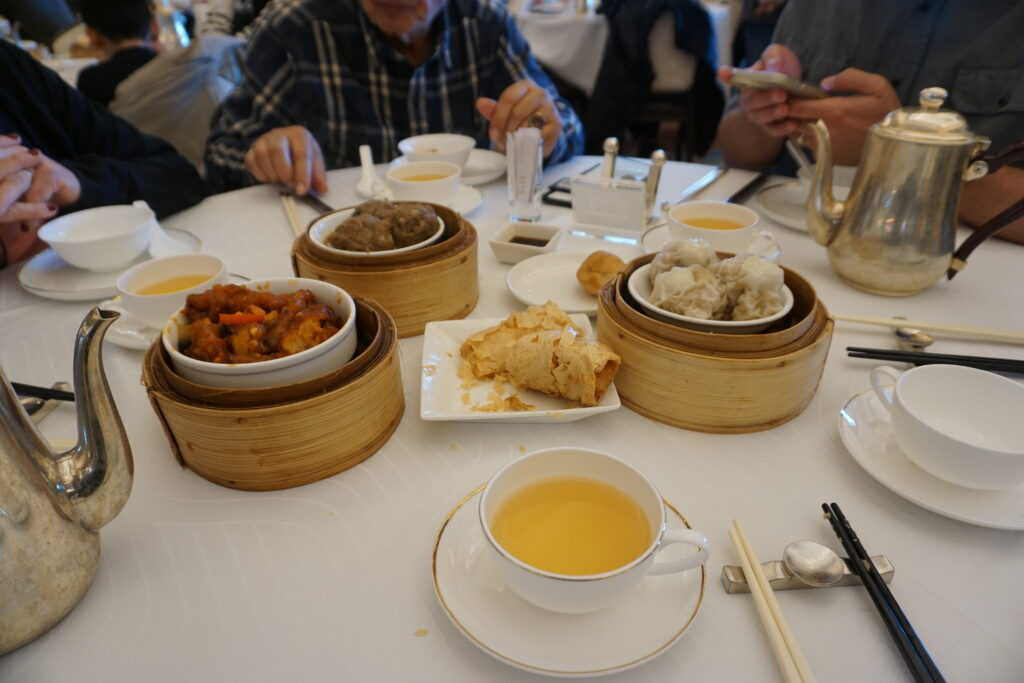
One of the best parts of visiting Hong Kong is the food, and it’s something you should fully lean into while you’re there.
From dim sum and flaky egg tarts to roast goose, the city is packed with incredible dishes, and eating well doesn’t require a fancy restaurant. Some of my most memorable meals came from simple, no-frills spots that were clearly doing one thing very, very well. Hong Kong is also an excellent place to eat fresh seafood, especially if you venture beyond the main tourist areas.
My best advice is to be adventurous and try as much local food as you can. It’s easy to fall back on familiar options, but pushing a little outside your comfort zone is part of the fun. Eating your way through the city is one of the most enjoyable ways to experience it.
16. Don’t assume you have the right of way as a pedestrian
This was one of the biggest adjustments I had to make as a pedestrian in Hong Kong.
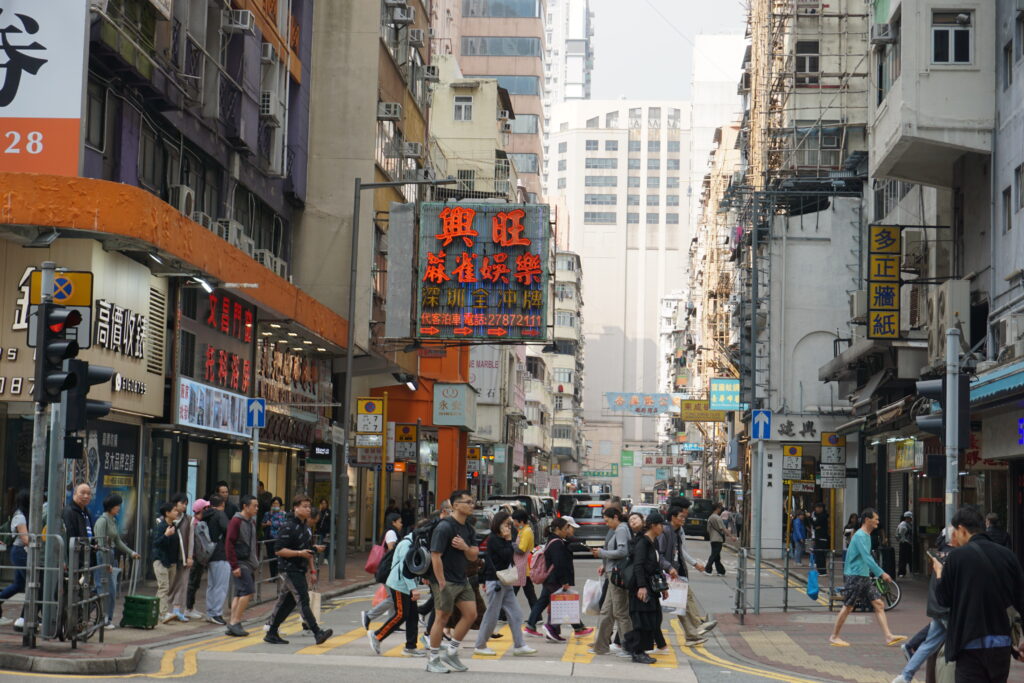
Unlike many European cities, pedestrians in Hong Kong don’t automatically have the right of way. If you have a green pedestrian signal, cars will stop, and you’re free to cross. But if you don’t, you need to wait until the road is fully clear; drivers will not stop for you just because you’re standing at a crosswalk.
Coming from places where cars routinely yield to pedestrians, this caught me off guard at first.
So be a cautious pedestrian and wait for the intersection to clear before crossing. Just to be safe.
17. Don’t take photos inside temples
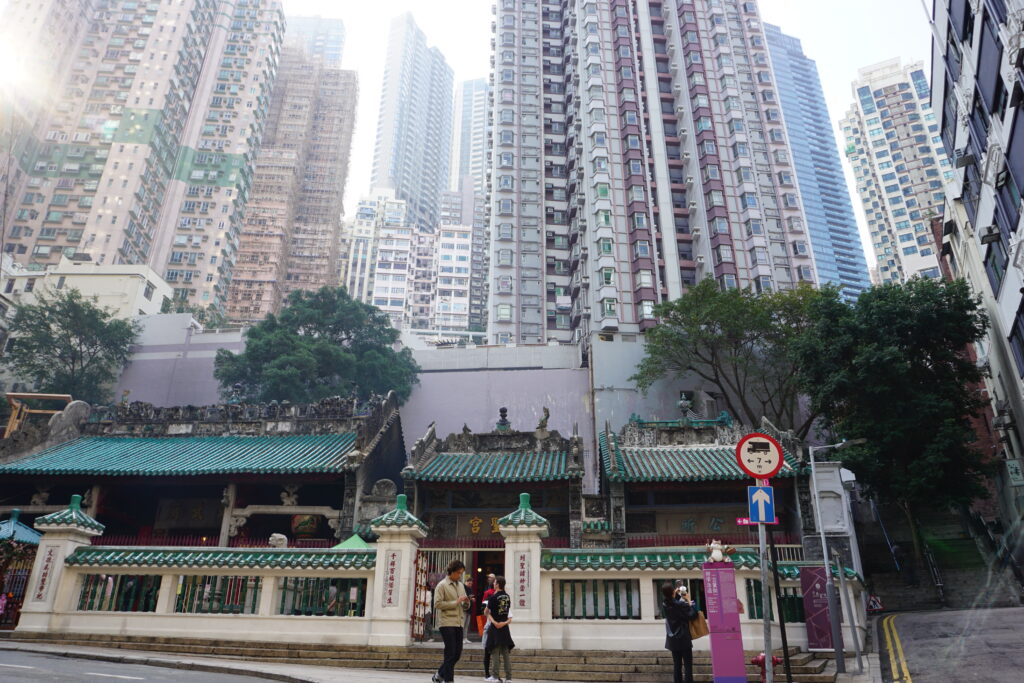
Calling all photographers and Instagrammers! In Hong Kong, it’s generally not allowed to take photos inside temples, whether they’re Buddhist or Taoist.
There are a few exceptions, such as Man Mo Temple, where you can take photos inside as long as you don’t use flash, but most temples prohibit photos and videos indoors. This is especially true when the temples hold the ashes of the deceased.
Even when signs aren’t obvious, it’s best to err on the side of caution. Temples are active places of worship, not just tourist attractions, and being respectful goes a long way. Keep your photos to just the exterior, then put your camera away and explore the inside.

18. Don’t spend all your time on Hong Kong Island
It’s easy to focus all your time on Hong Kong Island, especially on a first visit, but that means missing out on so much of what Hong Kong has to offer!
Hong Kong is more than its bustling city center, and certainly more than just one island. If you’re visiting for more than a couple of days, make a point to explore beyond Hong Kong Island and see more of the territory.
Head to Lantau Island to visit the Big Buddha and explore places like Tai O fishing village. Take the ferry to laid-back Lamma Island or head to Sai Kung and Hong Kong’s Geological Park. Getting out of the city adds depth to your trip and shows you a side of Hong Kong many visitors never see.
19. Don’t eat or drink on public transit
Public transportation in Hong Kong is extremely clean. The stations are spotless, and the trains and buses are consistently immaculate.
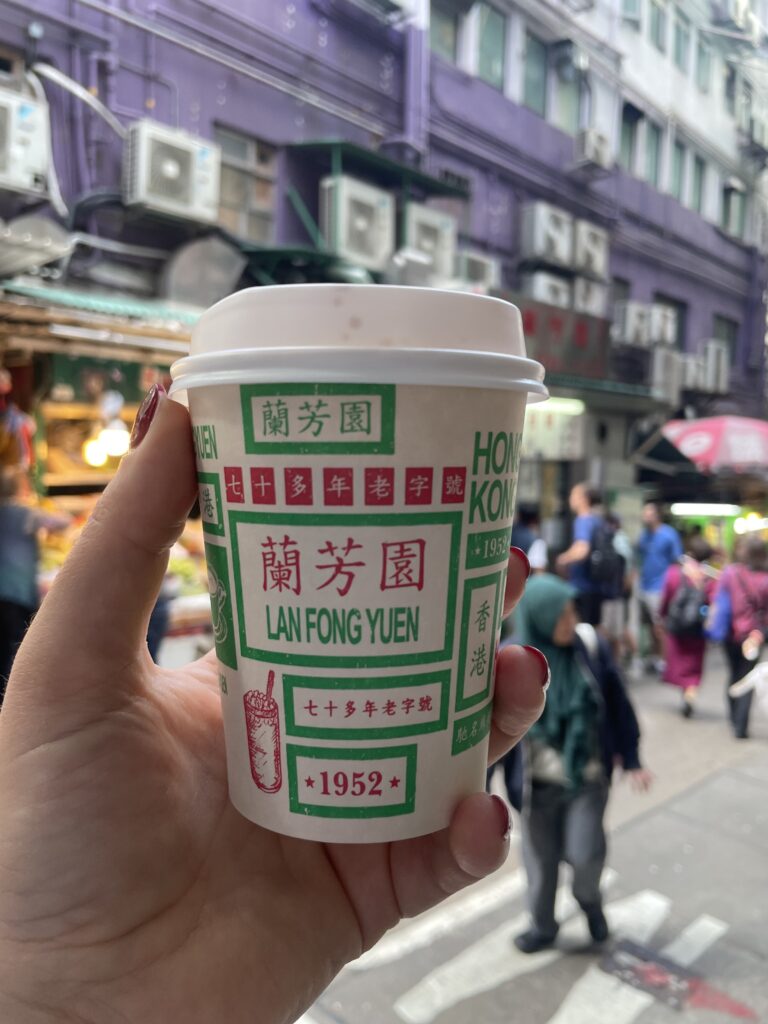
That’s largely because there’s a strict rule prohibiting eating or drinking on public transportation. You can’t eat or drink on trains or buses, and this rule also applies inside MTR stations.
Be mindful of this while getting around the city. Following this rule helps you stay culturally respectful, and it also helps you avoid an unnecessary fine.
20. Don’t smoke in public
One thing that surprised me about Hong Kong was how rarely I saw people smoking.
That’s because smoking in public places is largely illegal. If you are a smoker, you’re expected to use designated smoking areas or stand near trash cans that have ashtrays built into the top. You can’t simply walk down the street while smoking.
It’s also important to know that vaping is illegal in Hong Kong. You’re not even allowed to bring a vape into the country. If you smoke or use a vape, make sure you check the local laws before you travel, as they may be very different from what you’re used to at home.

Ready to visit Hong Kong?
Hong Kong is an incredible place to visit, but like any destination, it’s much more enjoyable when you understand how things work before you arrive. Knowing what not to do can help you avoid awkward moments, stay respectful, and move through the city with a lot more confidence.
This list is meant to help you skip the common first-timer mistakes and focus on enjoying Hong Kong without stress. It’s a fun and surprisingly easy city to explore, especially if you come prepared!
Need help planning your trip to Hong Kong? Check out my other Hong Kong guides and itineraries!
Read More: