What Not To Do In Brussels: 27 Must-Know Brussels Travel Tips
If you’re planning a trip to Brussels, I’m sure you’re excited to wander the beautiful old streets, eat world-class chocolate, and see some seriously quirky spots (hello, peeing statues).
But if it’s your first time in Brussels, you’re probably also a bit anxious about visiting a new place.
Is it dangerous? How do I use the public transportation? What language do people speak?
In the years I’ve spent traveling through Europe, I’ve made many mistakes. That’s why, after traveling to Brussels, I’m sharing a list of top mistakes to avoid in the Belgian capital.
I put this guide together to help you skip the mess-ups and get straight to the good stuff. Whether you’re here for a weekend or squeezing Brussels into a bigger Europe trip, this list will help you feel a little more local and a lot less lost.
Sound good? Then let’s get into what not to do in Brussels.
Please note this post may contain affiliate links. If you click on one, I may earn a small commission at no extra cost to you. See my Privacy Policy for more information.
What NOT To Do In Brussels
1. Don’t forget to validate your transport ticket
This one catches many tourists off guard. In a lot of cities, just having a ticket is enough.
But not in Brussels.
In Brussels, you have to validate your ticket before hopping on the metro, tram, or bus.
Look for the little orange machines (usually at metro entrances or right on board trams and buses) and tap your ticket before you ride. That’s what officially starts your hour of travel time (which, by the way, includes unlimited transfers).
You may be tempted to try your luck and skip the validation step, but be warned: ticket inspectors do regular checks. It doesn’t matter that you bought a ticket if it isn’t validated. You’ll still be hit with an on-the-spot fine (over €100!).
Yes, even if you’re a confused tourist just going a couple of stops.
So don’t risk it. Watch what the locals are doing, validate that ticket, and save your Euros for waffles.
Pro Tip: Brussels’ public transit has gone contactless. Instead of buying a ticket at the kiosk, you can now tap on to buses, trams, and metro using a compatible credit card, phone, or smartwatch. For more tips and up-to-date information on taking public transit in Brussels, visit the official STIB-MIVB website.
2. Don’t ignore the risk of pickpockets
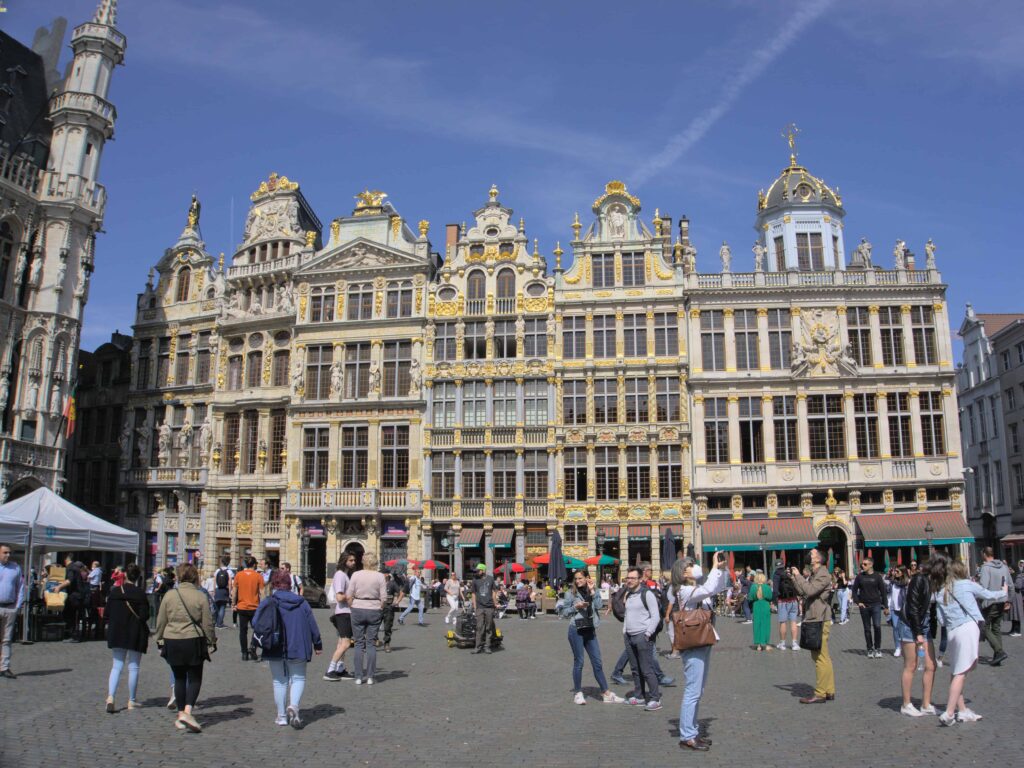
Brussels is generally a safe city. However, like in most big European destinations, you’ll need to beware of pickpockets, especially in busy spots like Grand Place, Central Station, and on packed metro lines.
You don’t need to be paranoid, but you do need to be smart.
Keep your bag zipped and in front of you (crossbody bags are your best friend), skip the back pocket wallet situation (my husband always puts his in his front pocket for safety), and be extra aware if someone bumps into you or tries to get your attention out of nowhere.
A lot of pickpockets work in teams and are really good at what they do. Don’t give them an easy win. A little awareness goes a long way in keeping your trip stress-free.
Pro Tip: If a stranger comes up and starts chatting with you, seemingly out of nowhere, be wary. This is often a diversion taken by teams of pickpockets to distract you and have you put your guard down.
3. Don’t skip a chance to eat Belgian fries
Everyone talks about the waffles and chocolate in Brussels, but I don’t think the fries get the love they deserve. Belgian fries are in a league of their own.
These aren’t soggy fast food fries or stodgy, thick-cut fries.
Belgian fries are twice-fried, golden-on-the-outside, fluffy-on-the-inside masterpieces. The kind of savory treat you’ll think about (and salivate over) long after your trip is over.
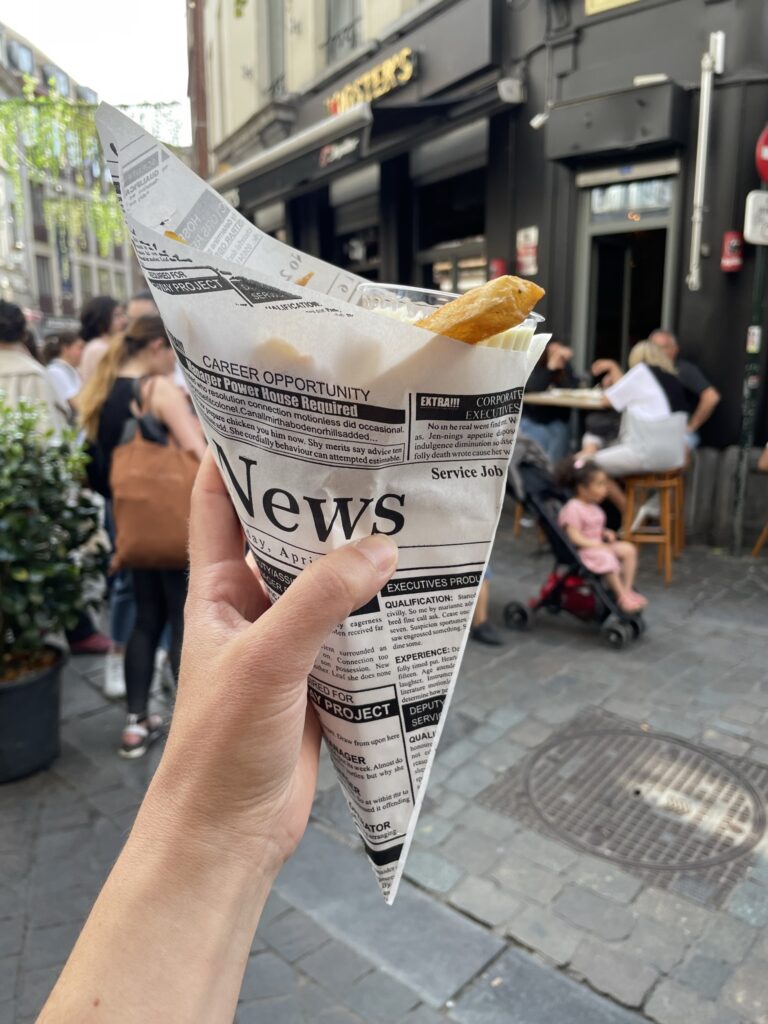
Do yourself a favor and skip the chains.
Head to a real friterie like Maison Antoine in the European Quarter or Fritland near Grand Place. Get them in a paper cone, load up on sauce (classic mayo is traditional, but there are tons of delicious options), and eat them while people-watching.
Trust me, these fries might be the best thing you eat in Brussels.
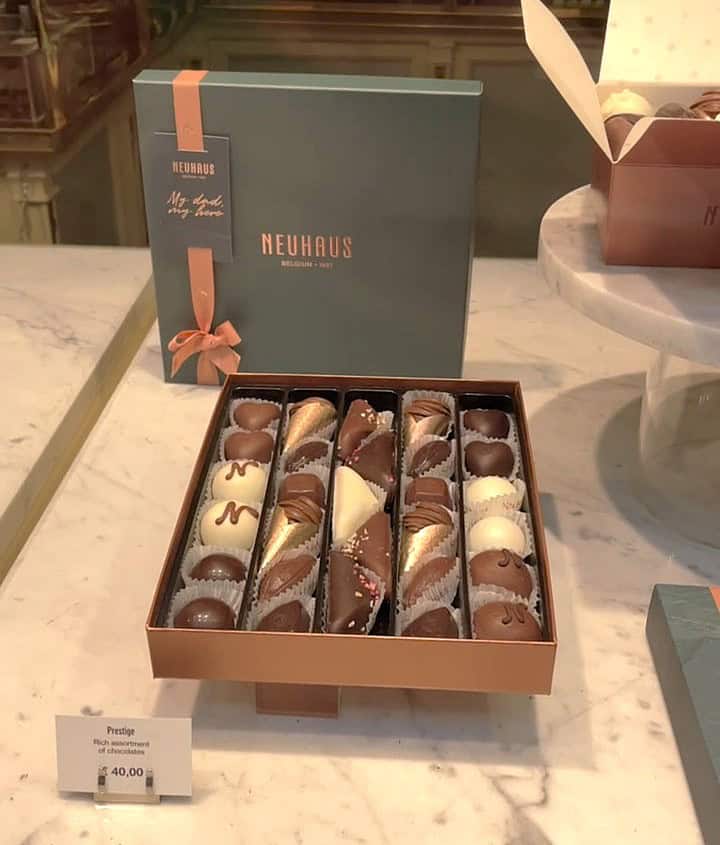
4. Don’t overpay for chocolate
Brussels is a chocolate lover’s paradise, but here’s the thing: not all chocolate shops are created equal.
Just because a place has “Belgian Chocolate” plastered all over the window doesn’t mean it’s the good stuff. A lot of the shops in heavily touristed areas are overpriced and underwhelming.
If you want the real deal, head to shops like Leonidas for great quality without the high price tag, Neuhaus (they literally invented the praline), or splurge at Pierre Marcolini for beautifully crafted, high-end chocolates.
The flavor difference? Huge.
You’re not just biting into a ball of sweetness, you’re tasting actual chocolate.
Pro tip: Unless you’re buying a gift, skip the fancy pre-packaged boxes. Go for chocolates à la carte instead. You’ll save money, avoid paying extra for packaging, and get exactly what you want.
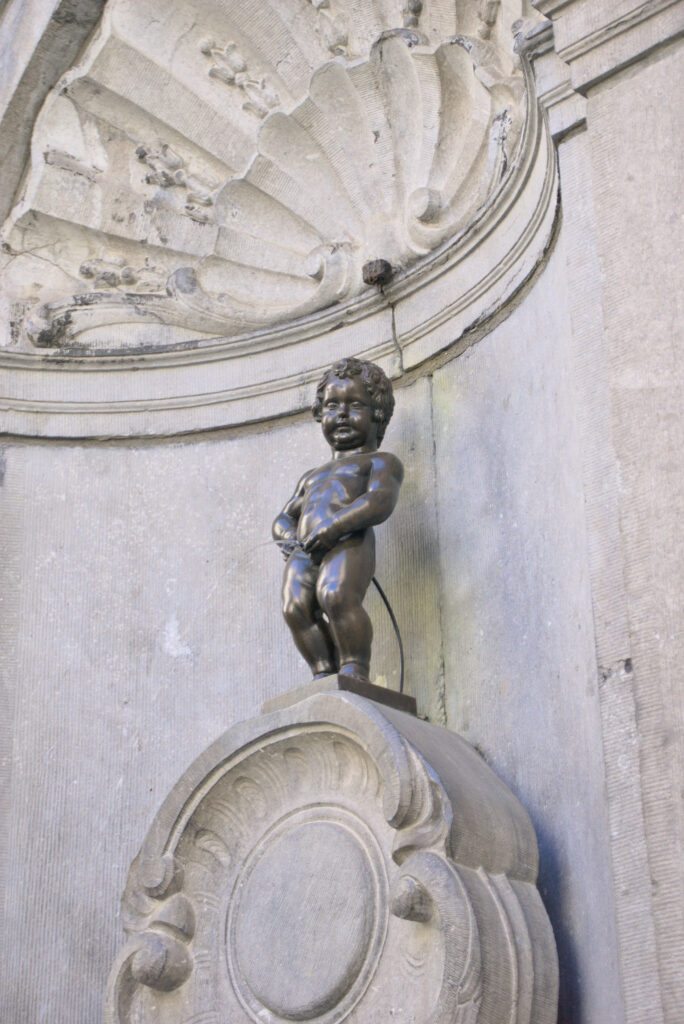
5. Don’t only visit Manneken Pis
Okay, yes, Manneken Pis is iconic. He’s basically Brussels’ unofficial mascot.
But he’s also tiny.
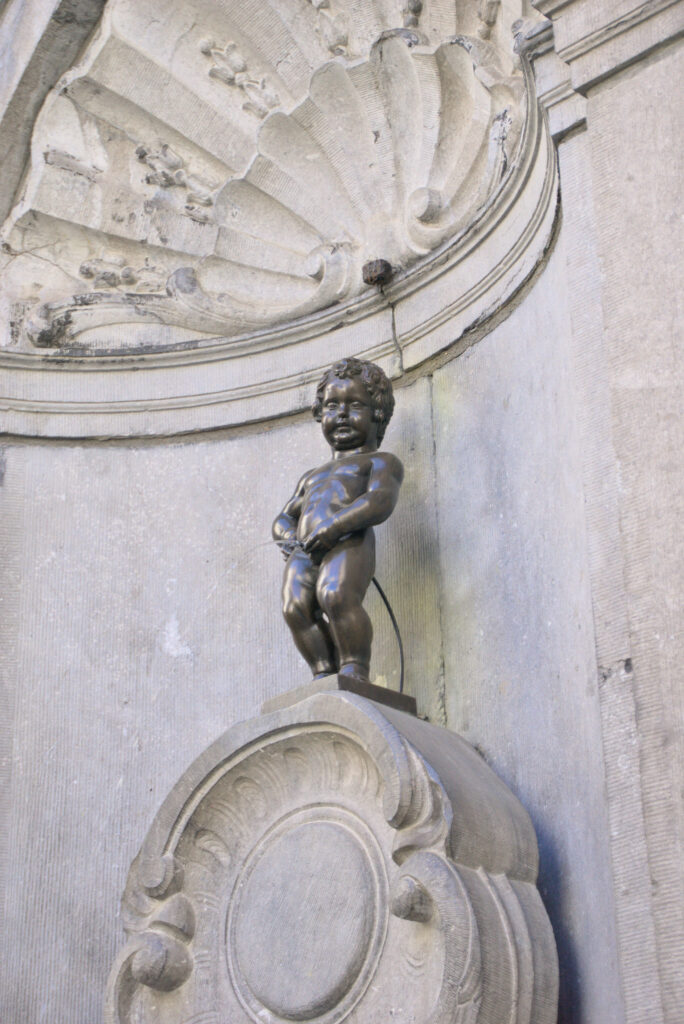
Like, “wait, is that it?” tiny. At just 61 cm tall, most people walk away from their first visit a little underwhelmed.
But don’t stop there! Brussels has a whole collection of peeing statues (because… why not?).
Head down the side alley next to Delirium Cafe to find Jeanneke Pis, the lesser-known but equally quirky female version. Then head to the intersection of Rue des Chartreux and Rue du Vieux Marché aux Grains to spot Zinneke Pis, a bronze dog caught mid-leg-lift.
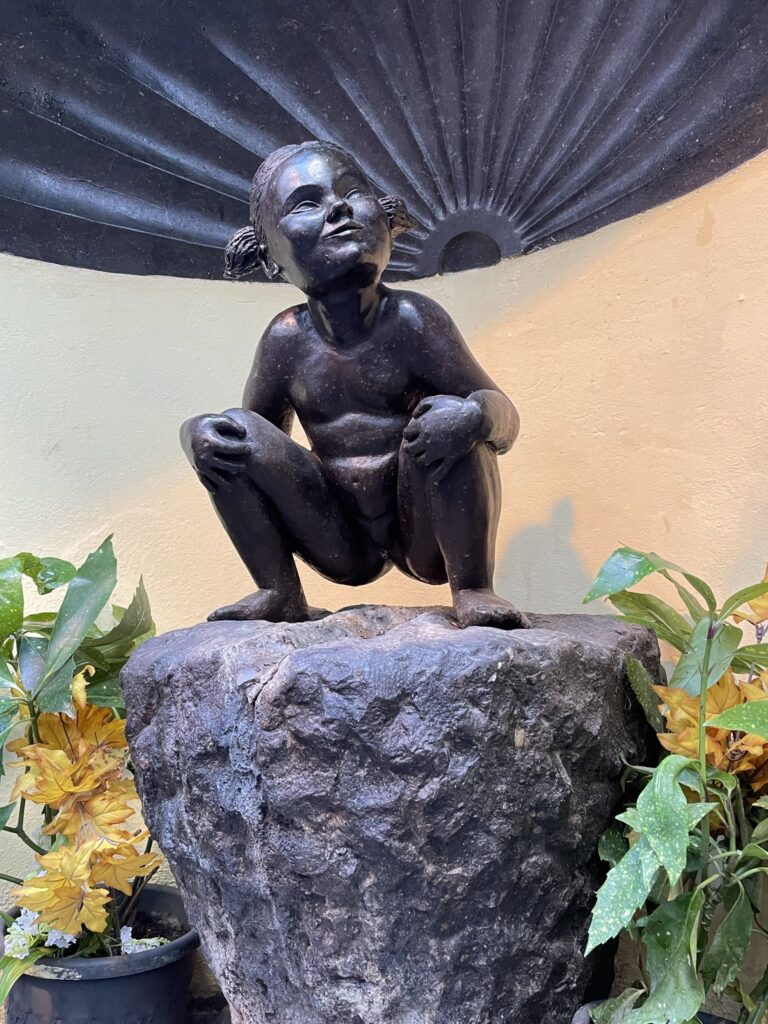
It’s weird. It’s funny. It’s very Brussels.
Tracking down all three can be a fun activity that gives you a great excuse to wander beyond the main tourist drag and see more of the quirky side of Brussels.
6. Don’t speak only English
It’s easy to get by in Brussels with only English, especially in touristy areas, but tossing in a little French or Dutch will endear you to locals and enrich your travel experience.
You don’t need to be anywhere close to fluent.
Just toss out a “Bonjour” or “Goedendag” (good day), “Merci” or “Dank u wel” (thank you), and maybe a “S’il vous plaît” or “Alstublieft” (please).
That’s it.
Locals appreciate the effort, even if your accent or command of the language isn’t perfect.
Brussels is bilingual, with both French and Dutch as its official languages, but French is more common in the city center. Plus, as the unofficial “Capital of Europe,” Europeans from across the continent live in Brussels and often communicate with each other in English.
If you only speak English, then don’t worry too much. You won’t have any trouble communicating with locals.
However, learning a few polite phrases in the local languages can lead to friendlier service and more genuine interactions. It’s a small thing that can make a big difference.
Pro Tip: Spending an extended time in Belgium and want to learn more of the local language? Check out the Pimsleur app, my top recommended language learning app for travelers.
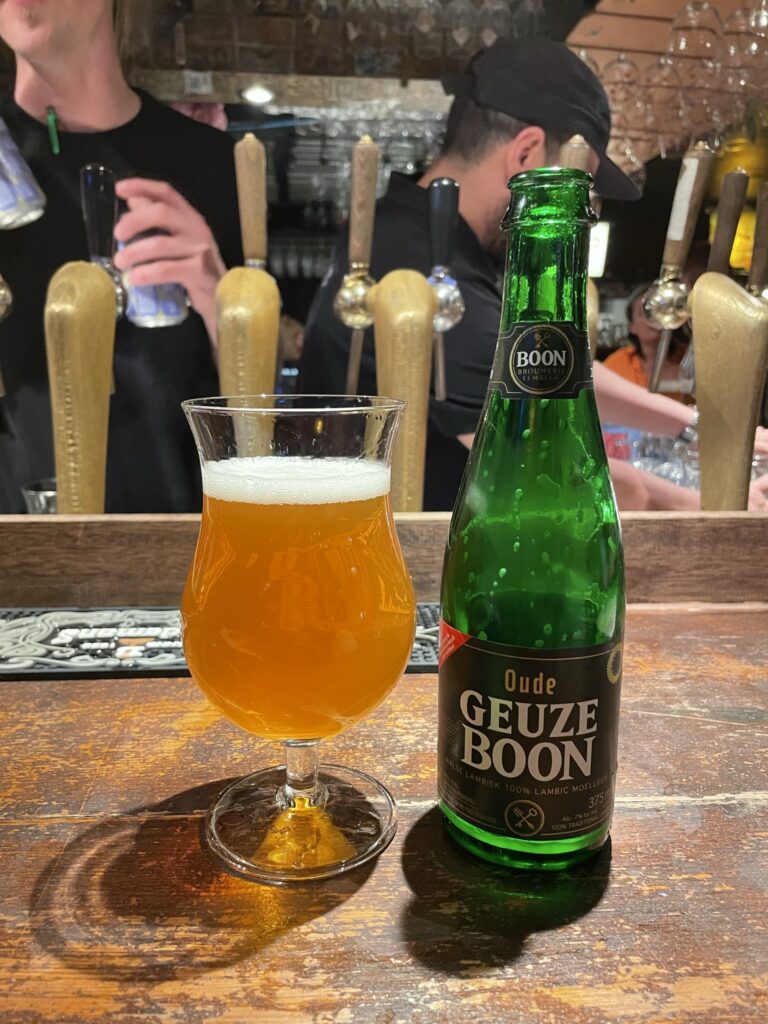
7. Don’t forget to try a local beer
Belgium takes beer seriously, and Brussels is the perfect place to get a taste of it.
Over 1,500 beers are brewed across the country, and not trying at least one (or three) while you’re here is a missed opportunity.
Even if you don’t think of yourself as a beer fan, there’s probably something you’ll like.
Try a fruity lambic or a smooth witbier. For something robust, taste one of the Trappist ales the country is most famous for.
If you want to make the most of your chance to learn about and experience Belgian beers, then I recommend taking a beer tour. I took this beer tour in Brussels, and it was one of my favorite and most memorable experiences I had there!
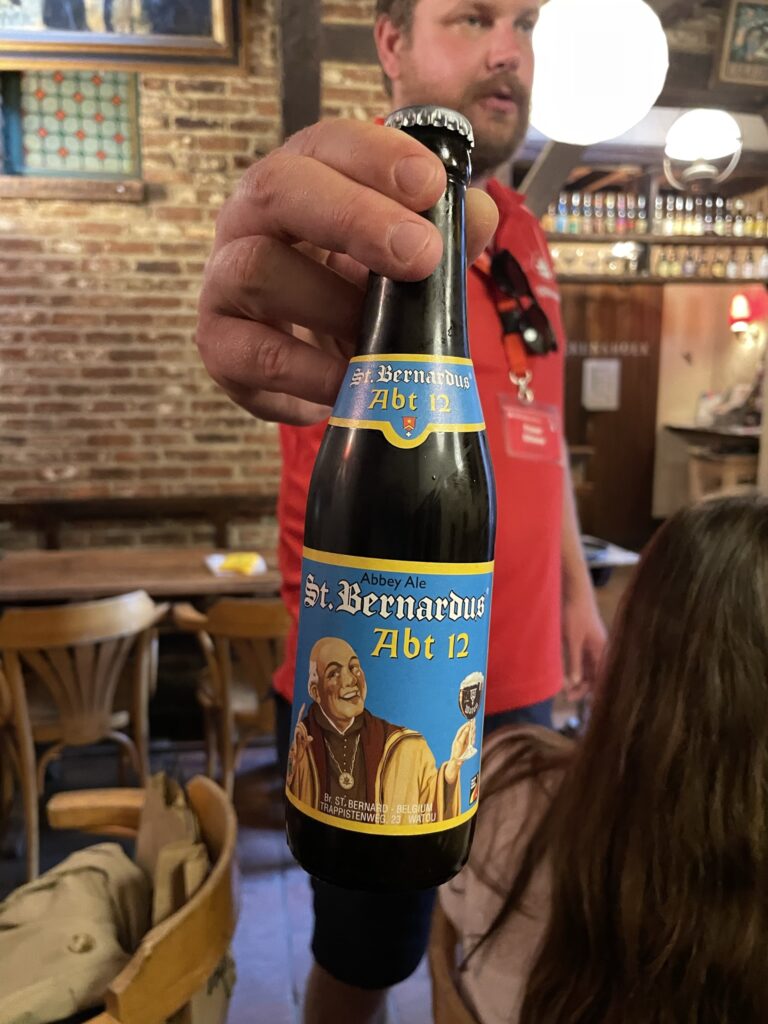
Other ways to sample local beers are at the bars and cafes around town.
Check out Delirium Café, famous for having over 2,000 beers on the menu. It’s touristy, but it has the best selection you’ll find anywhere in the city. For cozy, old-school vibes, visit À La Mort Subite. This traditional spot has been pouring beers for over 100 years.
Pro tip: Ask the bartender for a recommendation based on what you usually like (sweet? sour? light? strong?), and always use the right glass. Belgian beers each have their own custom glass designed to bring out their best flavor.
8. Don’t drink too much local beer
Trying Belgian beer is a must, but be smart about it.
These beers are strong. A lot stronger than what you’re probably used to.
We’re talking 6% to 12% ABV, sometimes more. Compare this to the usual 4–5% for your average lager.
The thing is, these brews are delicious. It’s easy to sip your way into a blurry evening without realizing what hit you. One minute you’re sampling a Trappist ale, the next you’re navigating cobblestone streets like they’re a moving walkway.
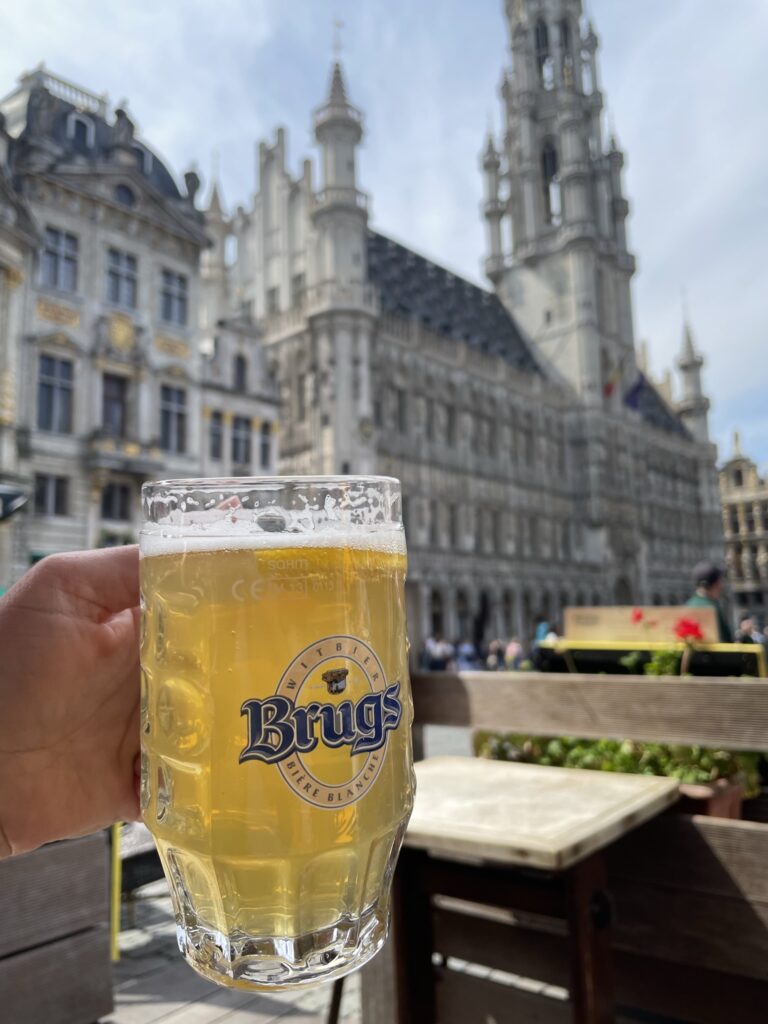
The morning after an exciting night out drinking beer during my weekend in Brussels, I woke up with a splitting headache. Not fun when I had a full day of sightseeing still ahead of me!
Learn from my mistakes – take it slow with the beers.
Share a few with friends if you want to try different styles without going overboard, and don’t forget to hydrate along the way. This is why a beer tour is such a great idea — you can sample multiple beers without getting intoxicated (on the tour, you’ll share one beer between multiple people).
Just remember: Belgian beers are crafted to be sipped and savored, not chugged.
9. Don’t eat at tourist trap restaurants
The restaurants directly in and around Grand Place have the best views, great atmosphere, and a prime location, but they often serve mediocre food at inflated prices.
While I wouldn’t recommend a meal there, it’s a great place to grab a drink and people-watch.
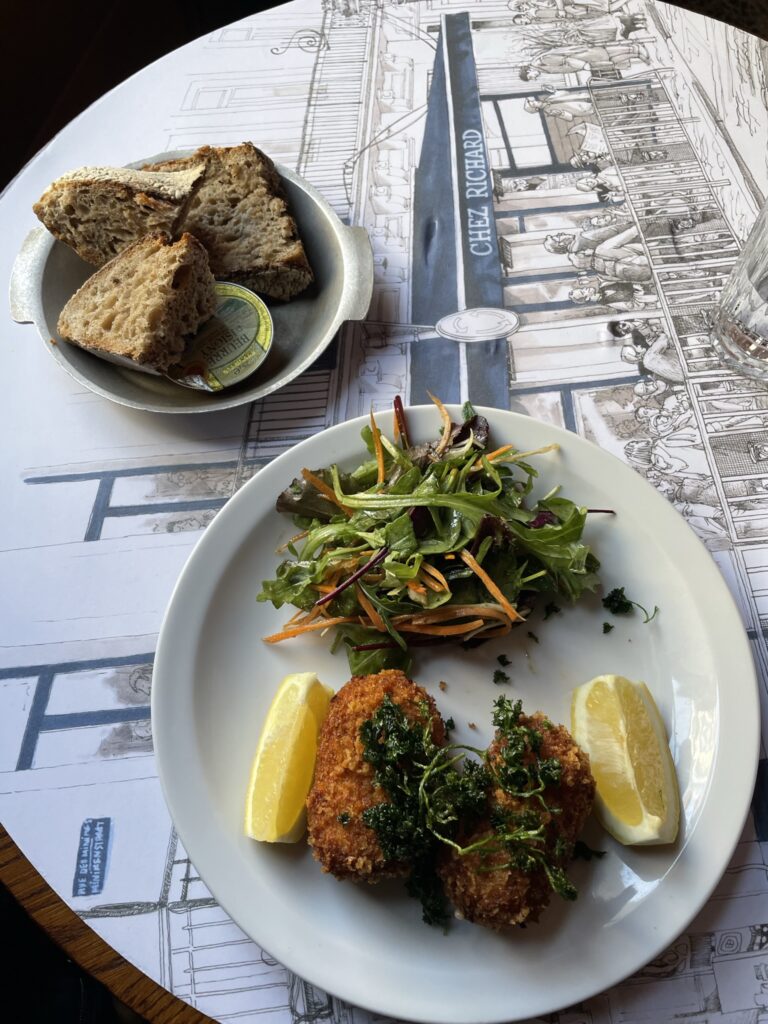
That being said, when I was in Brussels, I did have lunch at one of the restaurants in Grand Place and thought the food was fine. However, there are definitely better restaurants in the city that foodies should hold out for.
A few blocks away, neighborhoods like Sainte-Catherine and Sablon offer seafood delicacies and upscale dining. The nearby Marolles neighborhood has charming bistros and historic brasseries with local character.
Look for places full of locals rather than tourists, and be wary of restaurants with large menus in many languages covered in pictures or with staff actively trying to lure you in from the sidewalk.
11. Don’t underestimate distances
Brussels isn’t huge, but it’s more spread out than most first-timers expect.
The city’s landmarks may look close together on the map, but those cobblestone streets, hills, and winding routes can add up fast, especially if you’re planning a full day of sightseeing.
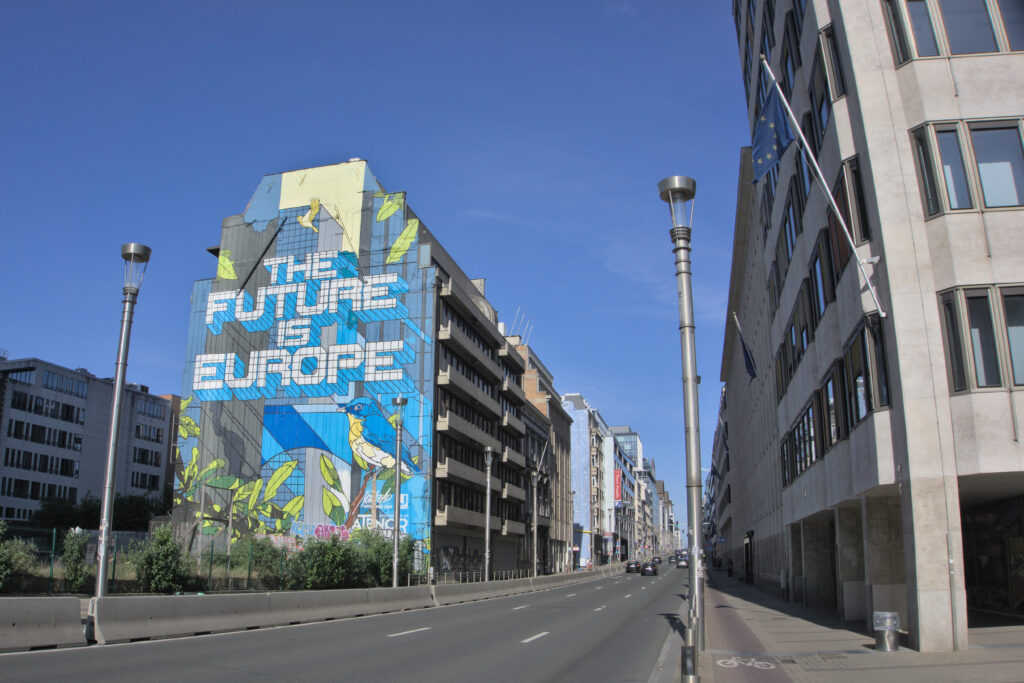
I love walking around new cities, so on my trip to Brussels, I walked everywhere. I even walked from Grand Place to the EU Parliament… and back. While it’s only a 30-minute walk each way, I could have saved myself a lot of time and energy by taking the bus.
So, while walking is a great way to explore, and Brussels is a compact and walkable city, save your legs and mix in some public transportation here and there, especially for longer distances across the city.
12. Don’t forget to carry cash
Europe has gone increasingly cashless over the past five years, and Brussels is no exception.
But it’s not fully cashless, and that can catch travelers off guard.
You’ll be able to use your card at most hotels, museums, and restaurants, but there are still plenty of smaller spots (like street food stalls, markets, or older cafés) that still prefer cash or are cash-only.
I recommend always carrying cash (in the local currency) when you travel. It’s a good general travel habit and makes you prepared for those odd situations where you need it, like grabbing a cone of fries from a vendor, tipping a tour guide, or paying for public restrooms (yes, that’s a thing).
You don’t need to carry a huge stash, but a little pocket money (in Brussels, €100-€200 should be enough) can save you from an awkward “uh, do you take cards?” moment.
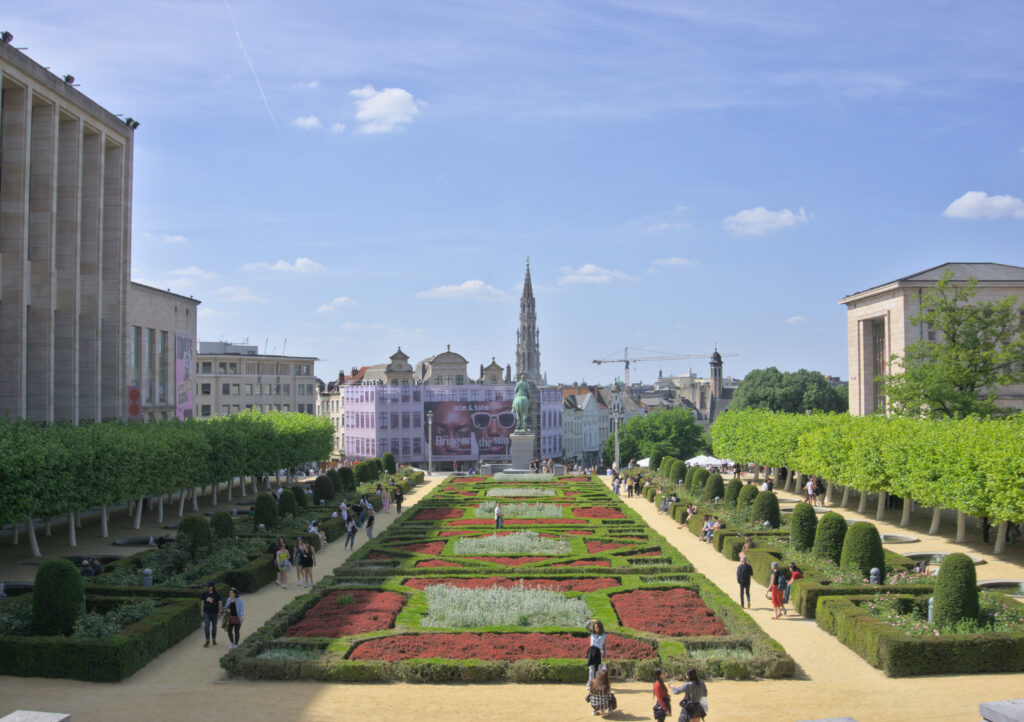
13. Don’t visit major attractions during peak hours
Brussels might not have the crowds of Paris or Rome, but its top sights, like the Atomium, Magritte Museum, and Grand Place, can get seriously packed.
Crowds are especially a problem from late morning to mid-afternoon.
If you can, try to visit the top attractions first thing in the morning or closer to closing time. Not only will you avoid the tour groups and school field trips, but you’ll be able to enjoy the experience without jostling others for elbow room.
I’m an early riser, so during my weekend trip to Brussels, I went to Grand Place first thing in the morning. It was empty, and I was able to get photos of the square with no one around. Quite a contrast from a few hours later when the square was packed with other tourists!
Pro tip: When possible, book tickets in advance. It’ll save you time, and some attractions offer timed entry slots to help you plan your day more smoothly. Less time in line means more time for waffles and wandering.
14. Don’t Underestimate Brussels’ weather
As you sit there visualizing your trip to Brussels, you’re probably picturing lounging on sunny café terraces, sipping a beer under cloudless blue skies. While it’s a lovely vision, be warned that Brussels’ weather often has other plans.
Rain is super common, and it can show up out of nowhere. Even if the day starts off sunny.
Add in some wind, chilly mornings, or random cloud cover, and you’ve got a city with unpredictable weather just waiting to throw off your carefully laid travel plans.
What should you do? Pack layers, a light waterproof jacket, and an umbrella you can stash in your bag. Basically, pack for Brussels as if packing for a spring trip to Europe (although you will want to pack warm clothes if visiting in the winter).
It rains an average of 200 days a year in Brussels. Even in summer, sudden showers are common. The good news is that Brussels’ rain showers are often brief, and the city has plenty of indoor attractions for inclement weather.
Embrace the Belgian approach and never let a little rain interfere with your plans.
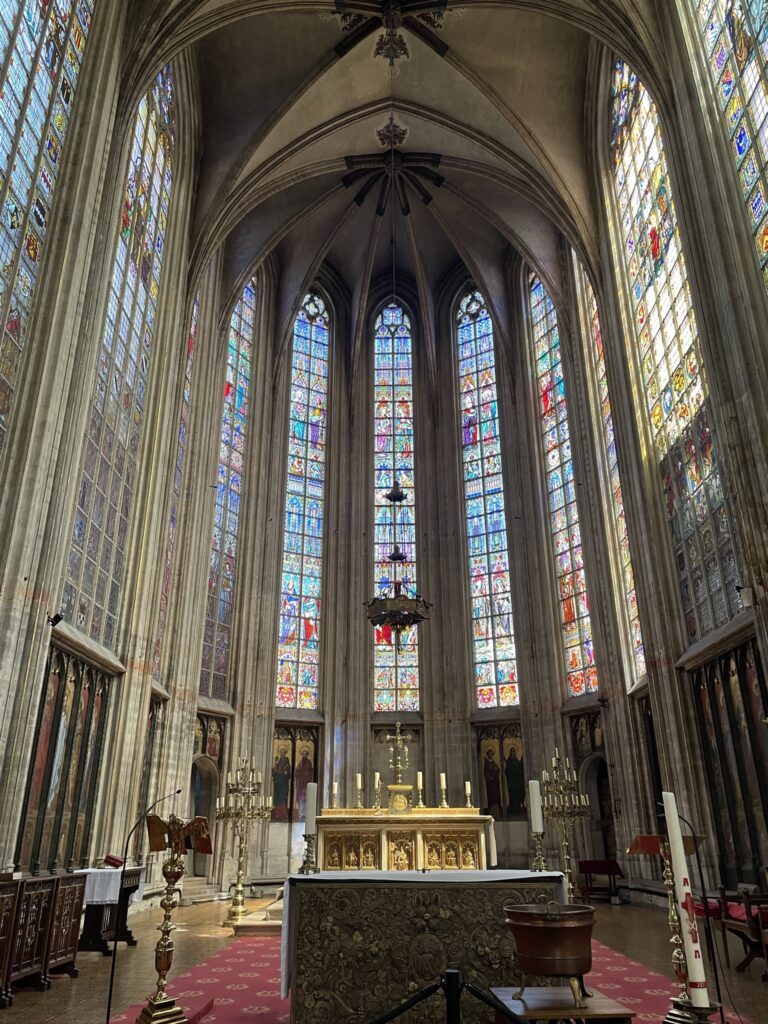
15. Don’t spend too little time in the city
In my opinion, Brussels is an underrated travel destination. It often gets treated like a quick stopover or a day trip between Paris and Amsterdam.
But one day in Brussels is not enough time to experience the best the city has to offer.
Sure, you can hit the big sights in a day, but Brussels has layers. The longer you stay, the more you’ll start to appreciate its mix of classic architecture, quirky art, and low-key neighborhoods filled with amazing food, beer, and local charm.
Give yourself at least two full days, ideally three, to really take it in without rushing. That way, you’ll have time to explore some local neighborhoods or walk the comic book trail, not just see Grand Place and Manneken Pis.
Trust me, Brussels rewards those who linger.
16. Don’t confuse Belgian and French culture
Yes, people speak French in Brussels. No, that doesn’t make it France.
Belgium has its own identity, history, and culture, and locals are proud of it. So while you might hear the French language, don’t assume things work the same way they do in Paris.
From the food to the politics to the sense of humor, Belgium marches to the beat of its own quirky, bilingual drum.
A little cultural curiosity goes a long way. Ask questions, try the local specialties (hello, waterzooi and speculoos), and don’t refer to everything as “French” — especially the fries.
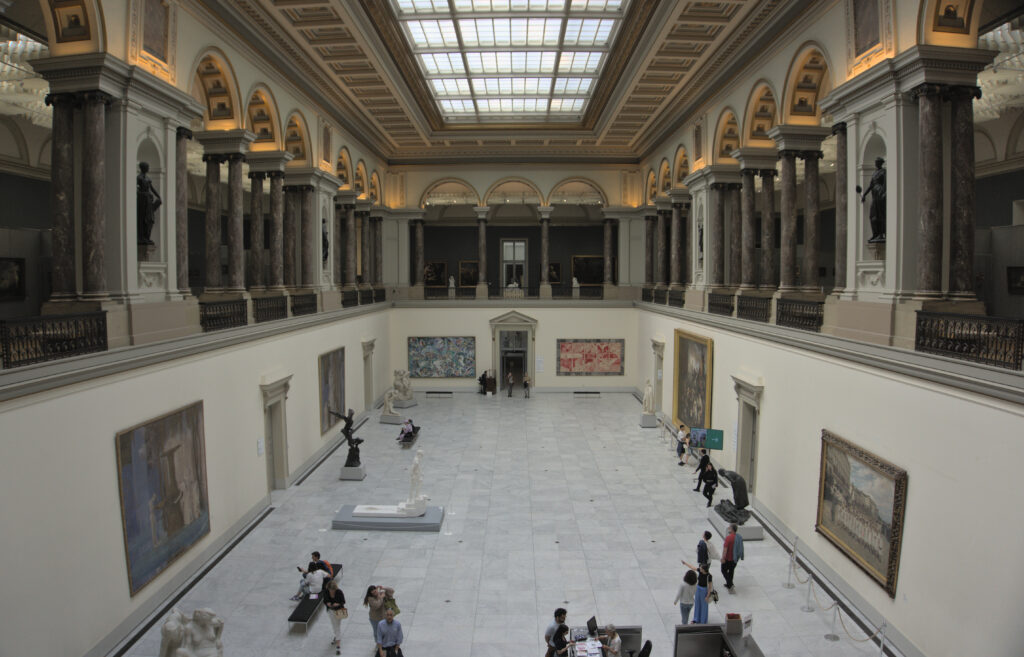
17. Don’t rush through museums and cultural sites
Brussels isn’t just waffles and quirky statues; it’s also home to some seriously underrated museums and cultural treasures. But if you try to sprint through them just to check boxes, you’ll miss what makes them special.
One of my favorite museums in Brussels is the Musées Royaux des Beaux-Arts. This collection of seven museums, housed under one roof, contains one of the world’s best collections of Flemish masters. The connected Magritte Museum dives deep into the mind of Belgium’s master of surrealism. These two museums top most lists of the best things to do in Brussels, and for good reason.
Other museum highlights include the BELvue Museum and the unique Musical Instruments Museum.
While you can rush through these museums and hop from exhibit to exhibit, if you actually want to learn about Belgian history and culture, you need to give yourself time to see them fully.
So slow down.
Pick one or two museums that really interest you and give them time. You’ll walk away with a deeper appreciation for Brussels beyond the chocolate and beer (though those are great too).
19. Don’t attempt to drive and park in the city center
Unless you enjoy one-way streets, tight corners, and circling for parking spots, leave the car behind when exploring central Brussels.
The city center wasn’t designed for modern traffic. It’s compact, full of pedestrians, and often better navigated on foot, by tram, or via metro.
Parking is limited, expensive, and can be confusing even for locals. Add in narrow cobblestone streets and traffic restrictions in certain zones, and you’ve got a recipe for a frustrating start to your day.
If you’re road-tripping through Belgium, consider parking outside the center and using public transport to get around. It’s cheaper, easier, and your nerves will thank you.
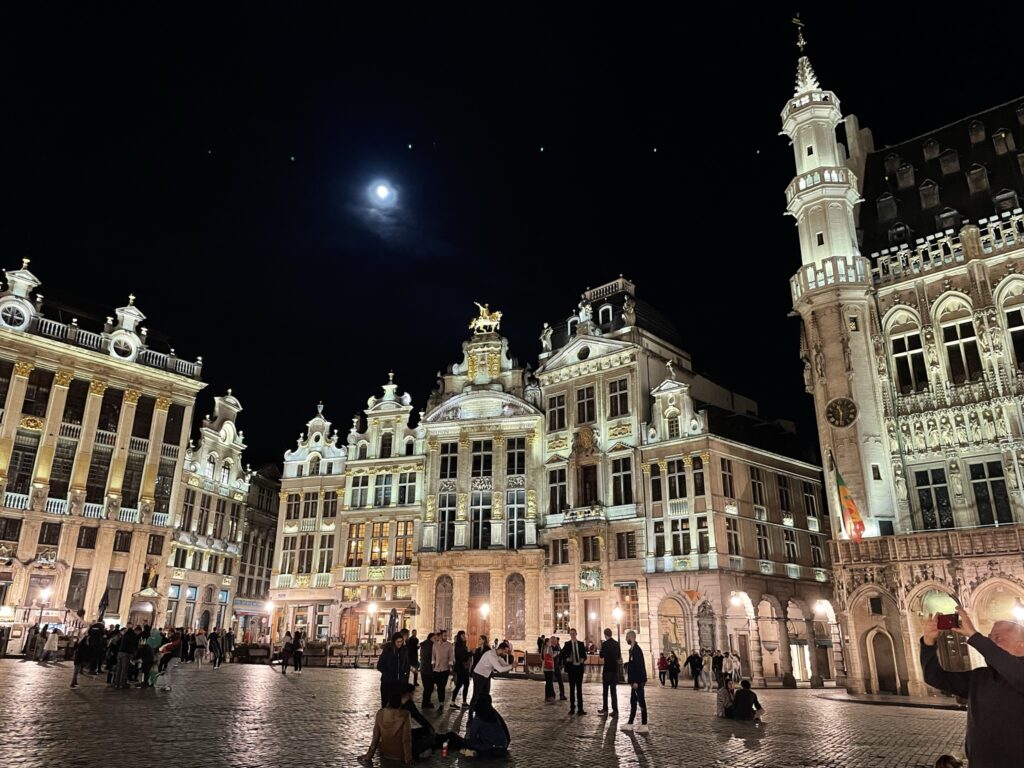
20. Don’t spend all your time around Grand Place
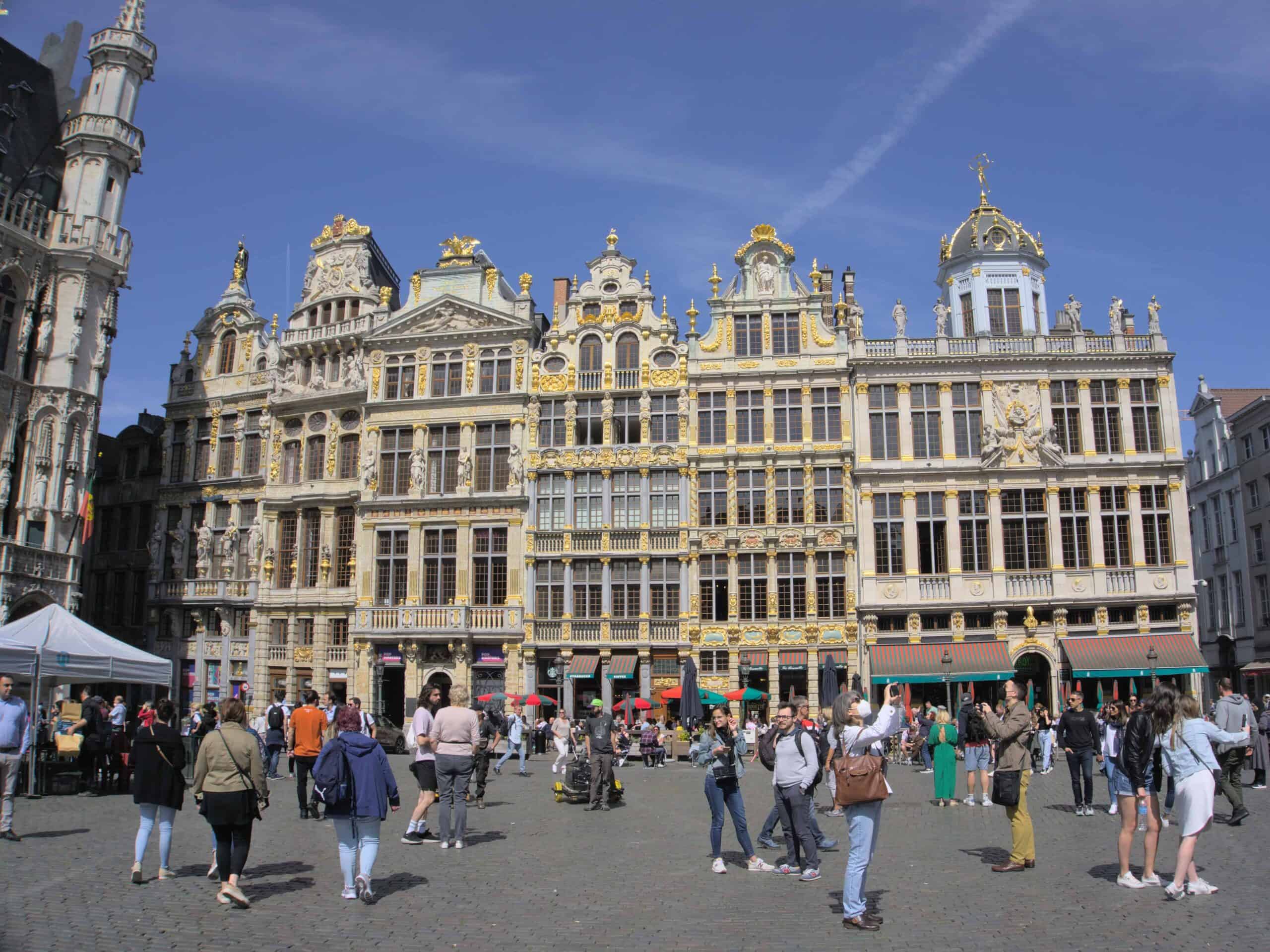
Grand Place is stunning, there’s no denying that. It’s commonly described as the most beautiful square in Europe.
So yes, you should absolutely soak it in.
But if you plant yourself there for your entire visit, you’ll miss out on what makes Brussels truly special.
The city’s charm lives in its neighborhoods. Like the artsy vibe of Saint-Gilles, the elegant cafés of Ixelles, or the vintage shops and historic bars in Marolles. These areas are less touristy and full of the everyday energy that gives Brussels its personality.
So yes, go admire the guildhalls and take your photos, but then venture out. Brussels is more than just one (admittedly gorgeous) square.
21. Don’t skip taking a walking tour
One of the best ways to peel back the many layers of Brussels and dive deep into what makes the city special is with a good walking tour.
Whether it’s your first day or your last, a walking tour gives you context, hidden stories, and little details you’d probably miss on your own.
There are plenty of free and paid options, including themed tours for chocolate lovers, architecture buffs, and street art fans. Or, you can use an app to guide you. I always use the Rick Steves App when traveling through Europe. It’s free and contains many audio guide walking tours of major European destinations.
23. Don’t forget to make dinner reservations
Brussels has an amazing food scene, from cozy bistros to Michelin-starred gems, but if you’re planning to just wander in somewhere on a Friday or Saturday night… good luck.
Restaurants in Brussels fill up fast, especially on weekends. There’s a real reservation culture, and if you’re not up to speed, you’ll miss out on some great dining opportunities.
If there’s a spot you’re excited about, book a table, even if it’s just a day or two in advance.
Many places let you reserve online, and it’ll save you the stress of figuring things out when you’re already hungry.
With a little advanced planning, you’ll eat great and feel a bit like a local.
24. Don’t expect too much from Manneken Pis
Let’s be real: Manneken Pis is probably the most famous statue in Brussels.
And because of that, people show up expecting something grand.
But the truth? He’s tiny. Like, blink-and-you’ll-miss-him tiny (just 61 centimeters tall)!
Add in the selfie-stick crowd and, well… it’s easy to feel a little underwhelmed.
But here’s the thing, Manneken Pis isn’t supposed to be jaw-dropping. He’s a cheeky little symbol of Brussels’ quirky, self-deprecating humor. So go in with the right mindset and you’ll enjoy the experience a lot more.
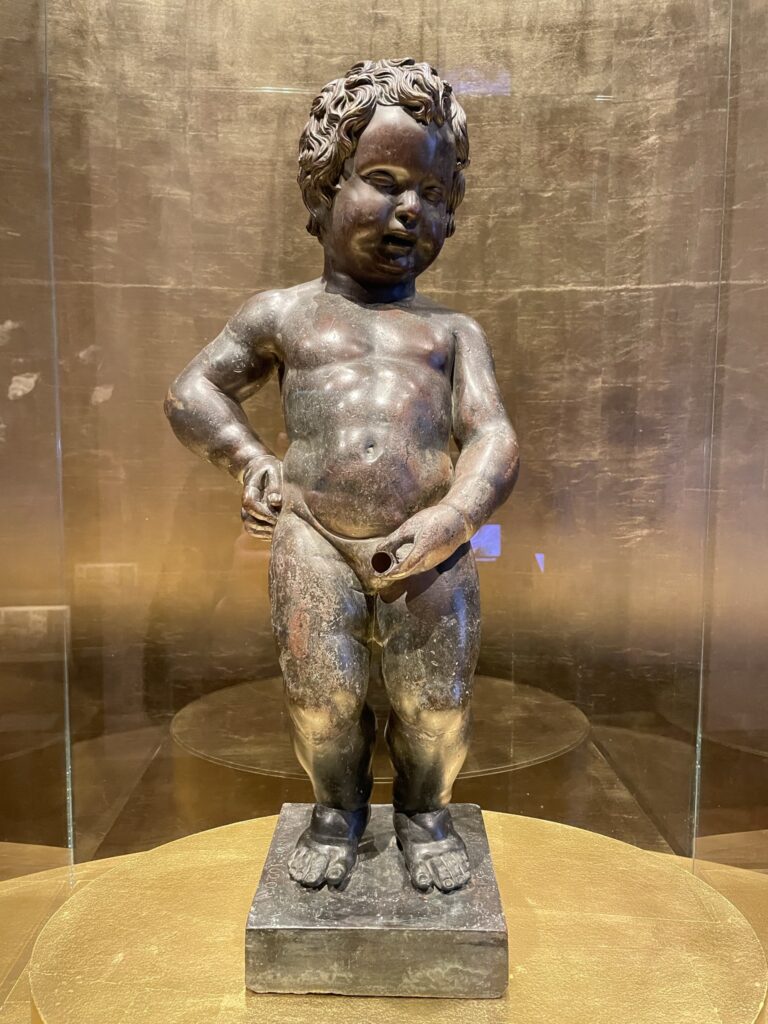
Try to visit early in the day to skip the crowds, and check the schedule posted to the fence surrounding the fountain. If there’s a robing ceremony going on while you’re there, be sure to get back in time to catch the festivities.
The little guy has a wardrobe of over 1,000 costumes, and there’s a good chance he’ll be dressed up when you visit. If you’re curious, pop into the GardeRobe MannekenPis museum nearby to see some of his wildest outfits.
It’s weird, it’s fun, it’s very, very Brussels.
25. Don’t eat Belgian fries if you are a vegetarian or vegan
You’d think fries would be a safe bet for vegetarians and vegans, right? Potatoes, oil, salt, simple stuff. But traditional Belgian fries are often fried in beef fat.
That’s what gives them that ultra-crispy, extra-flavorful magic. Great for taste, not so great if you’re avoiding animal products.
So if you’re vegetarian or vegan, don’t just assume you can eat the fries – you’ll need to ask.
The good news? Some friteries do use vegetable oil, especially in more modern or tourist-heavy spots, but it’s worth double-checking before you order.
26. Don’t mix up Brussels’ two airports
Here’s a detail that’s easy to miss until it causes stress: Brussels has two main airports, and they are not equidistant from the city.
Brussels Airport (BRU) is the main international hub, located about 30 minutes from the city center. But there’s also Brussels South Charleroi Airport (CRL), which, fun fact, is nowhere near Brussels. It’s actually in Charleroi, about an hour away by car or shuttle.
Many low-cost airlines (especially Ryanair) fly into Charleroi, so double-check your booking before making plans. Getting into the city from CRL takes longer and requires a bit more coordination (usually a shuttle + train combo), so it’s best to factor that into your schedule.
Pro Tip: Always check your airport code and don’t assume you’re flying into the one that’s actually in Brussels. When booking flights, factor in the cost of transiting from each airport into the city center; you may find there’s not much of a cost savings in booking the airport further out after all.
27. Don’t only eat on Rue des Bouchers
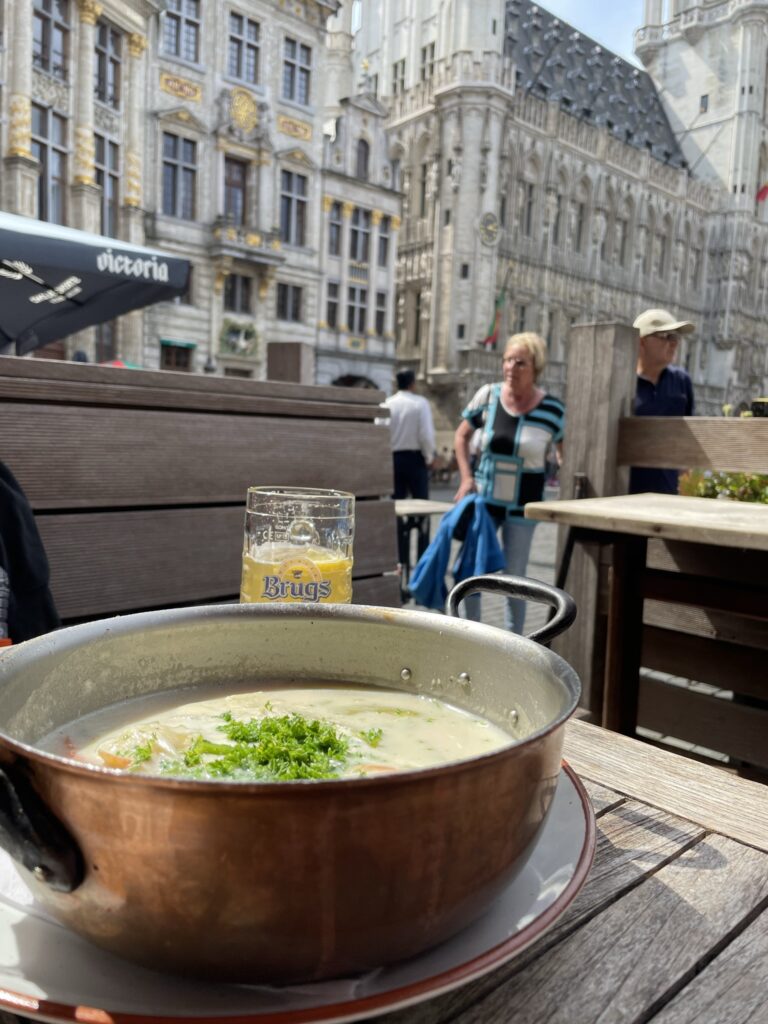
Wandering through Rue des Bouchers, the narrow, restaurant-packed street near Grand Place, you might think you’ve found Brussels’ foodie paradise. But, while it looks charming, most of the spots here cater to tourists, not locals.
And that often means overpriced menus, pushy hosts, and underwhelming food.
It’s not that every place is terrible — I’ve eaten there and had a fine meal — but you’ll get way more bang for your buck (and way better food) by exploring other neighborhoods.
For authentic eats, head to the Sablon, Ixelles, or Saint-Gilles neighborhoods, where you’ll find cozy bistros, creative modern spots, and way fewer tourist traps.
While Rue des Bouchers is convenient for tourists, the Brussels food scene has a lot more to offer. You just have to go a bit out of the main tourist circuit to find it.
Final Thoughts: What NOT To Do in Brussels
Brussels is a lovely city full of quirks and surprises. The kind of city that grows on you the longer you stay. It’s easy to get caught up in the postcard highlights (and those are great!), but the real magic comes from knowing what not to do so you can experience the city more like a savvy traveler and less like a confused tourist.
So, whether it’s skipping sub-par tourist restaurants, braving the beer menu wisely, or wandering beyond Grand Place, now you’ve got a head start on making the most of your time in Belgium’s quirky capital.
Ready to keep planning your trip?
Check out my other Brussels posts for more tips, hidden gems, and city secrets: