2 Days Belfast Itinerary: A Perfect Weekend in Belfast, Northern Ireland
If you’re planning a weekend in Belfast, then you’re in the right place.
Northern Ireland’s capital offers visitors fascinating history and a modern, buzzing energy. This city has had a rough past, but it’s being reborn, and there’s no better time than now to experience Belfast for yourself.
I spent three years living in Dublin, and during that period, I visited Belfast several times. I’m always struck by the contrast between the Republic of Ireland and Northern Ireland. On this one small island on the edge of Europe are two distinct cultures simultaneously linked and separated by a history of settlement, oppression, violence, and reconciliation. Belfast is the best place to witness this contrast. Two days is not enough time to experience everything Belfast has to offer, but it’s a good place to start.
In this guide, I’ll show you how to spend a perfect weekend in Belfast. Ready for a memorable trip? Let’s dive in!
Please note this post may contain affiliate links. If you click on one, I may earn a small commission at no extra cost to you. See my Privacy Policy for more information.
Belfast 2 Day Itinerary at a glance
- Day 1: Downtown Belfast and Victoria Square, Titanic Belfast Experience, Dinner at the Crown, Live music around Hill Street.
- Day 2: Breakfast at St George’s Market, Belfast City Hall, Lunch at the Garrick, Both Sides of the Conflict walking tour.
How to Get to Belfast
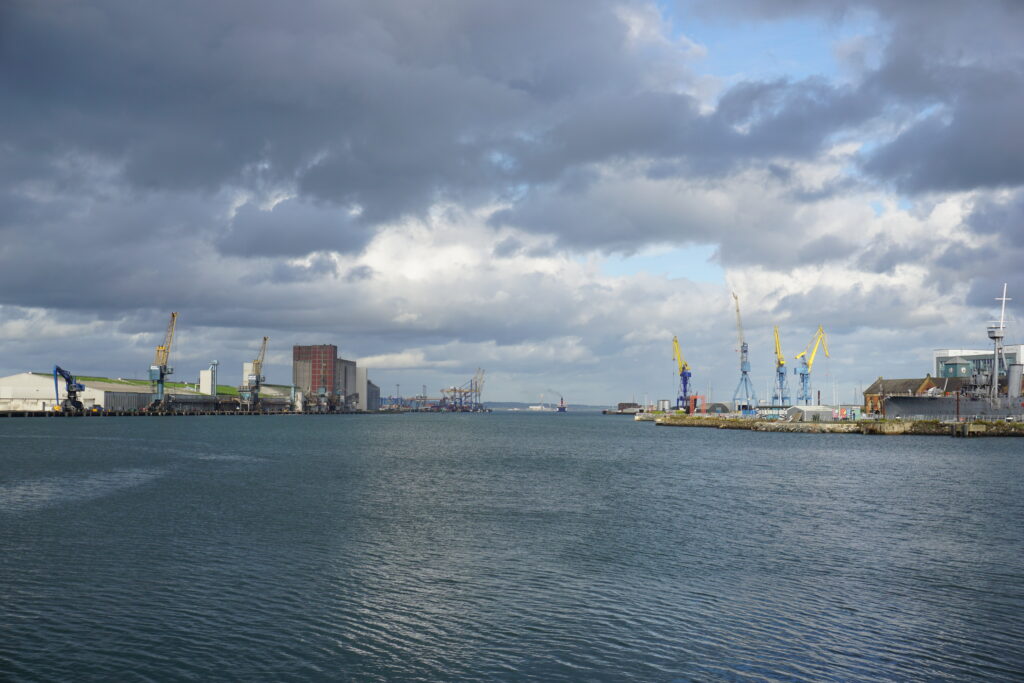
Belfast is easy to reach whether you’re coming from Dublin, elsewhere in Ireland, or across the sea from the UK.
From Dublin
If you’re traveling from Dublin, you can drive, take the train, or hop on a bus. The drive takes about two hours, following a straightforward route along the M1 motorway. Both the bus and train take roughly two and a half hours, making them comfortable and stress-free alternatives if you’d rather not rent a car.
Direct trains depart regularly from Dublin’s Connolly Station and arrive at Belfast’s Grand Central Station, located on the edge of the city center. The journey is said to be one of Ireland’s most scenic, with lovely views along the Irish Sea coast.
From Elsewhere in Europe
If you’re coming from mainland Europe, you can fly into Belfast International Airport, though it’s located quite far outside the city. Expect a 30-minute drive or about an hour on public transit to reach the center.
From the UK
Travelers from the UK have two convenient options. George Best Belfast City Airport sits just outside the city limits and handles frequent flights from London and other major British cities.
Alternatively, you can travel by sea. Stena Line operates regular ferries between Belfast and Liverpool (England) as well as Belfast and Cairnryan (Scotland). This is a great option if you want to bring your car on your trip to Belfast and see more of the Emerald Isle.
How to Spend A Weekend in Belfast: Full Itinerary
Friday
Arrive in Belfast and check into your hotel or Airbnb. Whether you’re staying downtown or in the Cathedral Quarter, you’ll find that most of the city’s main attractions, restaurants, and pubs are within easy walking distance.
Once you’ve dropped your bags, take some time to wander through the Belfast city centre. This first evening is all about getting a feel for Belfast’s compact size and lively energy.
For dinner, head to Yardbird, a popular spot with delicious roast chicken and a lively atmosphere.
If you have energy, pop into one of the nearby pubs for a pint and some live music. Most downtown pubs have live music on the weekends, so it’s hard to go wrong no matter where you choose.
Otherwise, call it an early night and rest up for a full day of sightseeing ahead tomorrow.

Saturday
Morning: Explore Victoria Center and Downtown Belfast
Start your first full day in Belfast at Victoria Square, a modern shopping and dining complex in the heart of downtown. This is one of the best examples of how the city has transformed over the past few decades.
Back during the Troubles, this area would never have featured a building made almost entirely of glass. At the time, this part of the city was the epicenter of violence, and glass posed a serious safety risk.
Today, Victoria Square stands proud as a symbol of Belfast’s peace and stability since the Good Friday Agreement.
Inside, take the elevator to the dome at the top of the center for a free panoramic view of downtown Belfast and the surrounding hills. It’s a great way to get your bearings and appreciate how compact and walkable the city really is. Plus, it’s one of Belfast’s top free attractions!
Our next stop on this itinerary is the Titanic Museum, but first, a scenic walk to take in more of Belfast. As you tour around Belfast’s city centre, keep an eye out for the city’s famous street art.
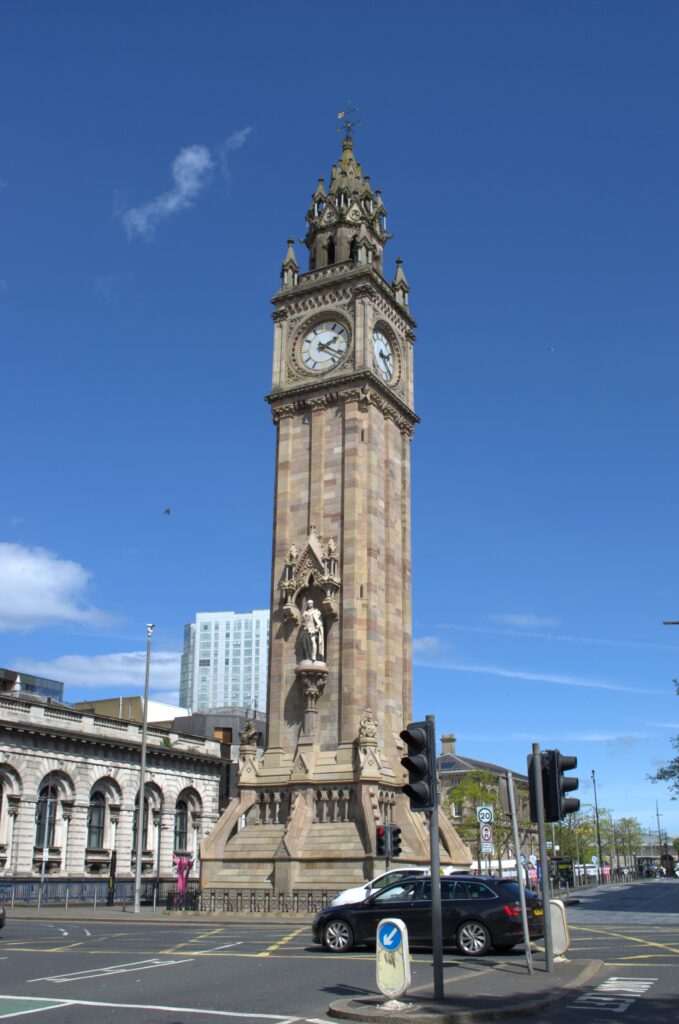
Once you’re done snapping photos and taking in the view from the top of Victoria Square, continue your tour around the city and walk toward the waterfront. Along the way, you’ll pass the Albert Memorial Clock, a 19th-century tower commissioned by Queen Victoria in honor of her late husband, Prince Albert.
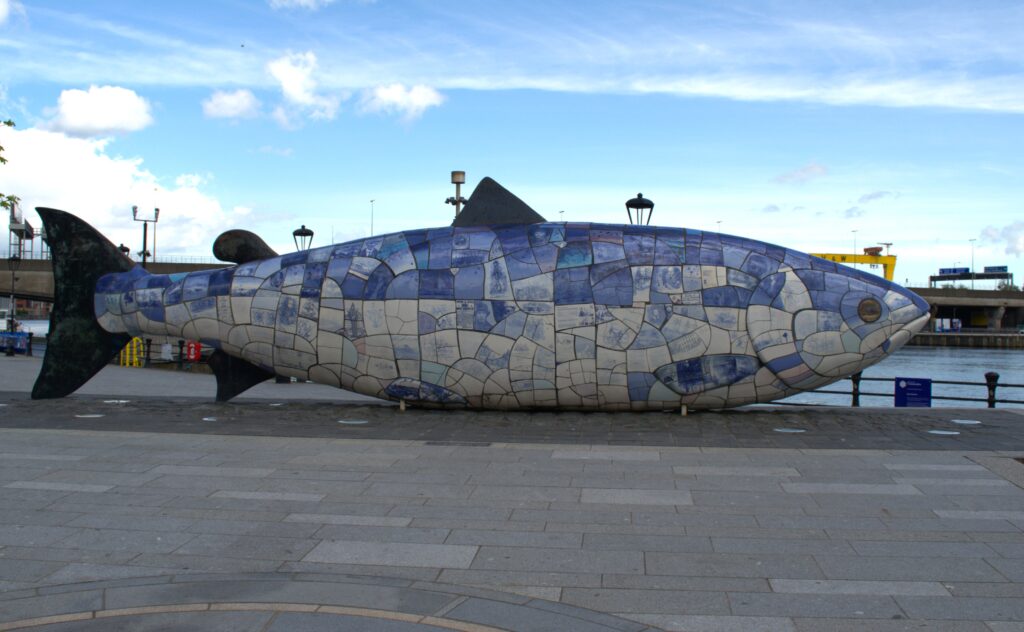
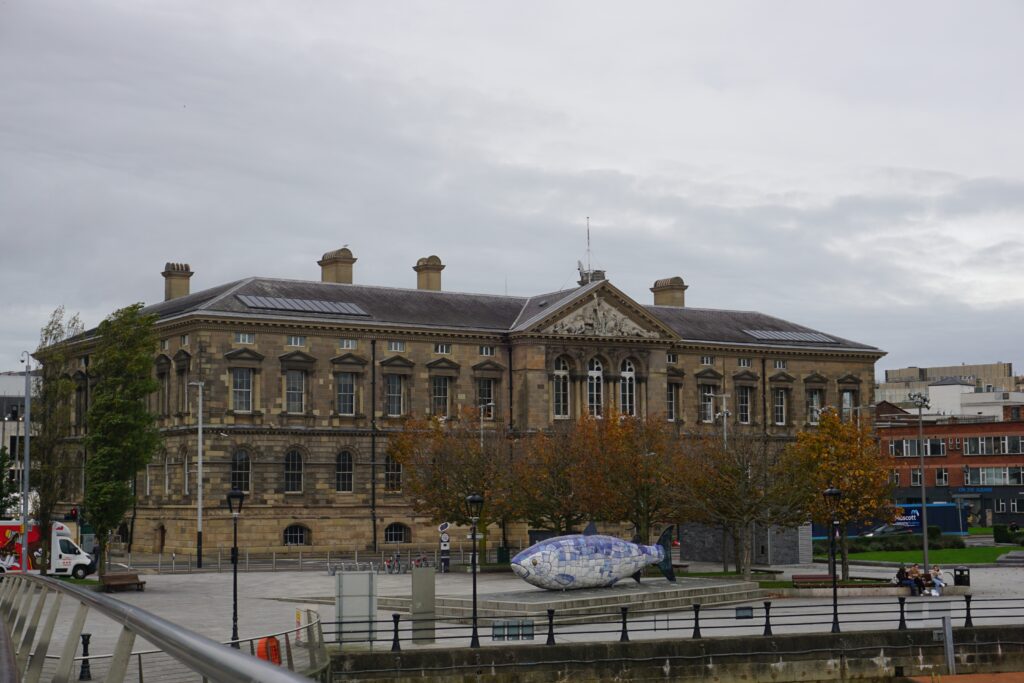
Continue along the river to see the Big Fish, also known as the Salmon of Knowledge, a unique mosaic sculpture that tells Belfast’s story through images printed on its scales.
Next, cross the River Lagan via the Lagan Weir Bridge, a pedestrian walkway that connects the city center to the Titanic Quarter.
Pro Tip: As you walk, keep an eye out for the Game of Thrones stained glass installations along the river. Each window celebrates a key moment from the show, and spotting them all has become a fun scavenger hunt for fans. Many of the Game of Thrones filming locations, like the Dark Hedges (aka the King’s Road), can be found in Northern Ireland and can be seen as day trips from Belfast.
The walk from downtown to the Titanic Museum takes about 20 minutes and follows a scenic, well-marked path along the water. Once you arrive, consider grabbing an early lunch before exploring the museum.
The Pantry, located on the ground floor, serves hearty hot dishes in a casual setting. If you’d rather eat on the go, the Galley Café offers quick sandwiches and coffee.
Afternoon: Visit The Titanic Experience
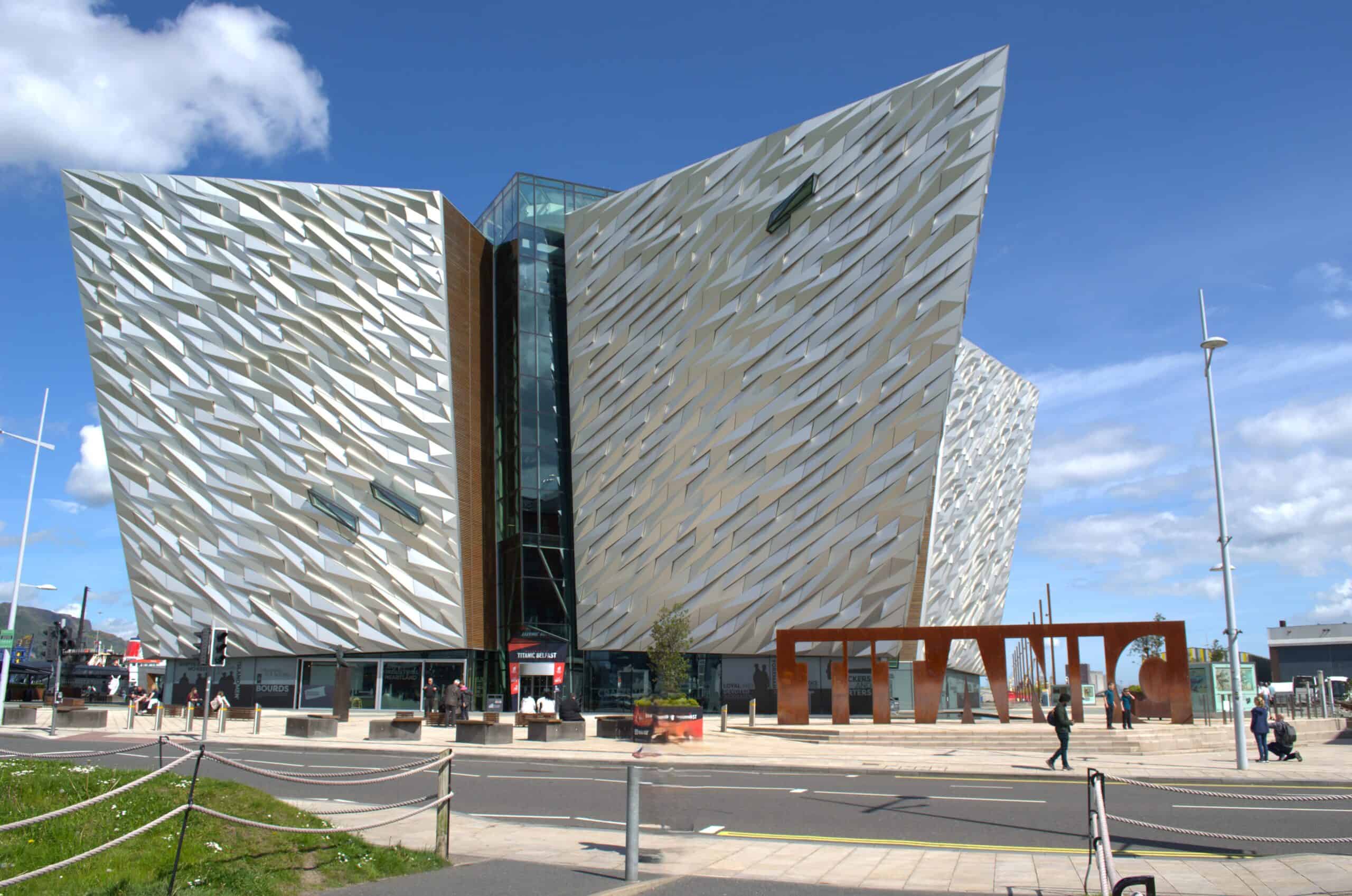
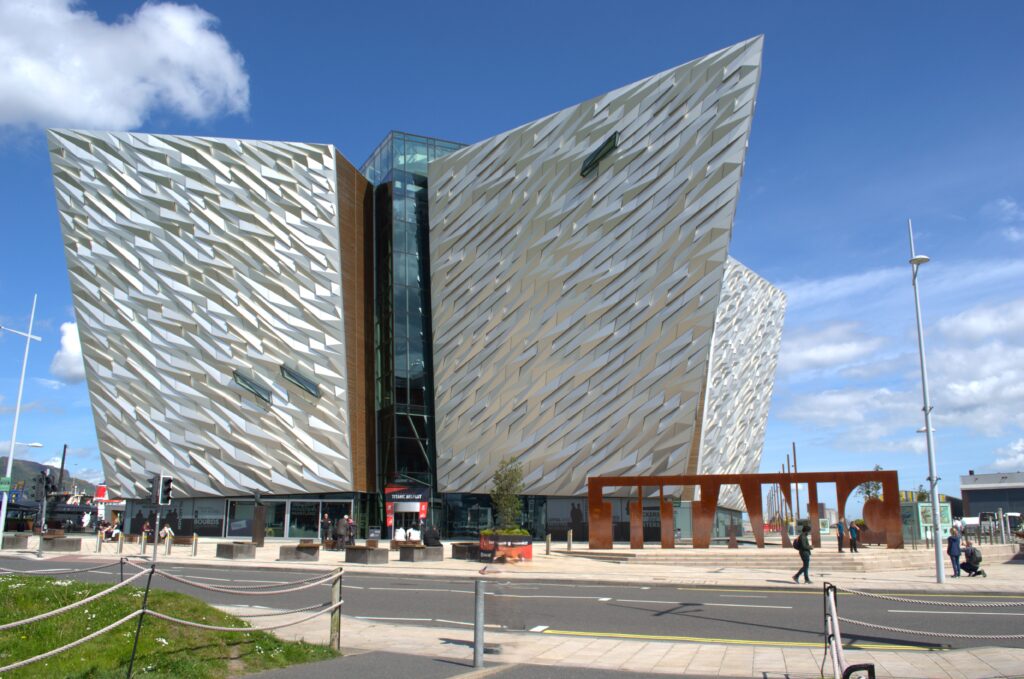
No trip to Belfast is complete without a visit to Titanic Belfast, located beside the historic Harland & Wolff shipyards where the ship was built. The museum explores the history of the Titanic and the White Star Line, offering a powerful look at Belfast’s industrial heritage. It’s one of the most impressive and thoughtfully designed museums I’ve ever been to.
I’ve actually visited this museum three times, and each time I discover something new. It’s THE top thing to do in Belfast, no matter how much time you have in the city.
The museum tells the story of the Titanic from start to finish, beginning with the building of the ship, which happened right where the museum now stands.
First, you’ll learn about Belfast’s industrial heritage, with exhibits that trace the city’s linen and shipbuilding industries, moving through the process of creating what was once deemed the world’s largest and most luxurious ship.
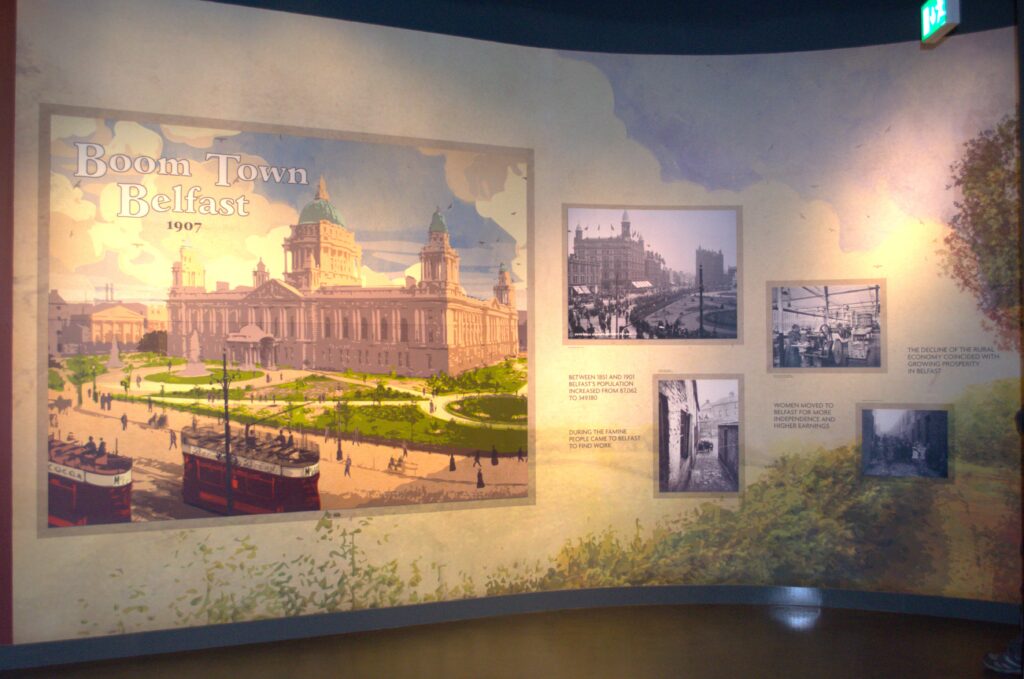
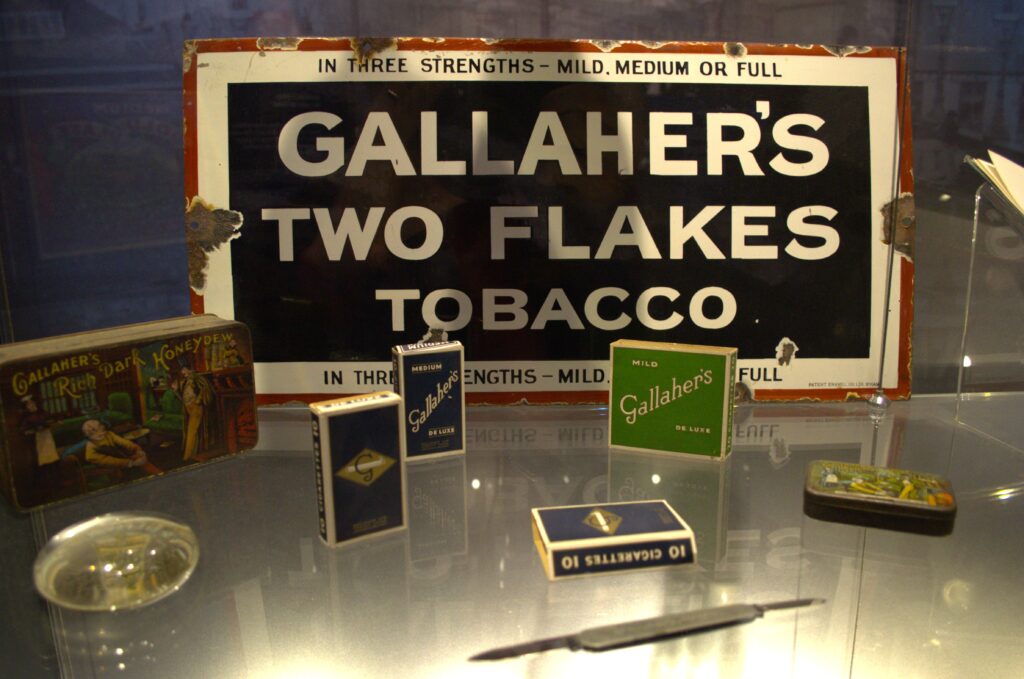
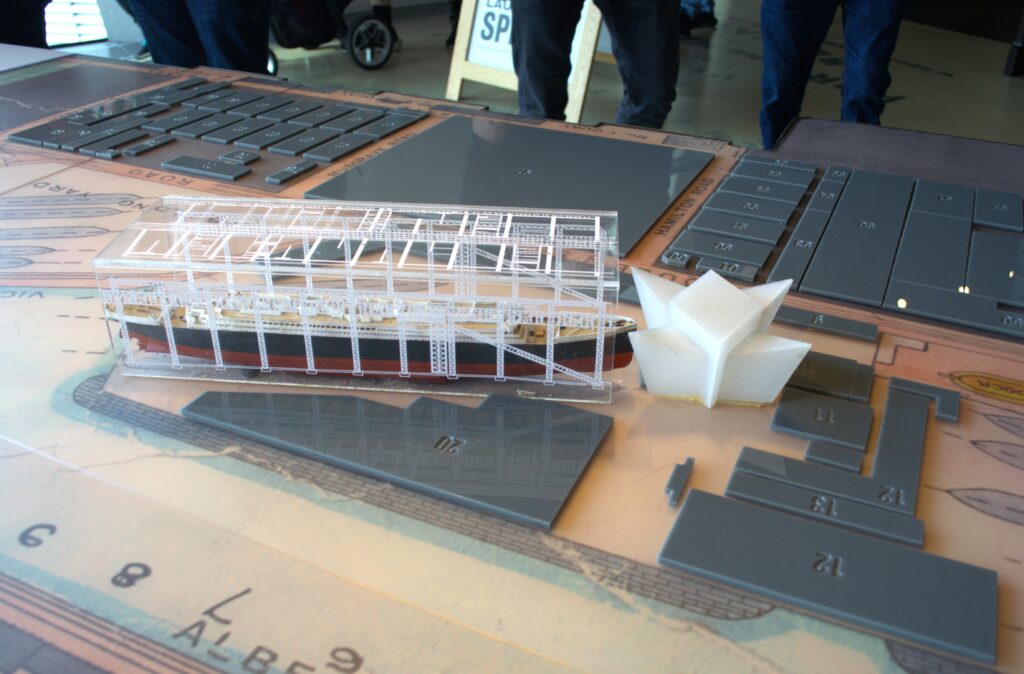
Next comes one of the museum’s highlights: an interactive ride that takes you through the shipyard as the Titanic was being built. You’ll zoom through a replica of the ship’s hull as it was being built, watching riveters and welders at work as the narration talks about what working there was like for the shipbuilders.
From there, the exhibits turn to the voyage itself and the tragic sinking, sharing first-hand accounts from survivors and stories of those who didn’t make it. It’s deeply emotional but presented beautifully, with videos, sound recordings, and personal artifacts that bring the history to life.
The final galleries focus on the search for the wreckage and the investigations that followed. Footage from the ocean floor gives a haunting glimpse of the ship’s remains, while the last exhibit, covering the inquiry into who was responsible for the disaster, leaves a powerful impression.
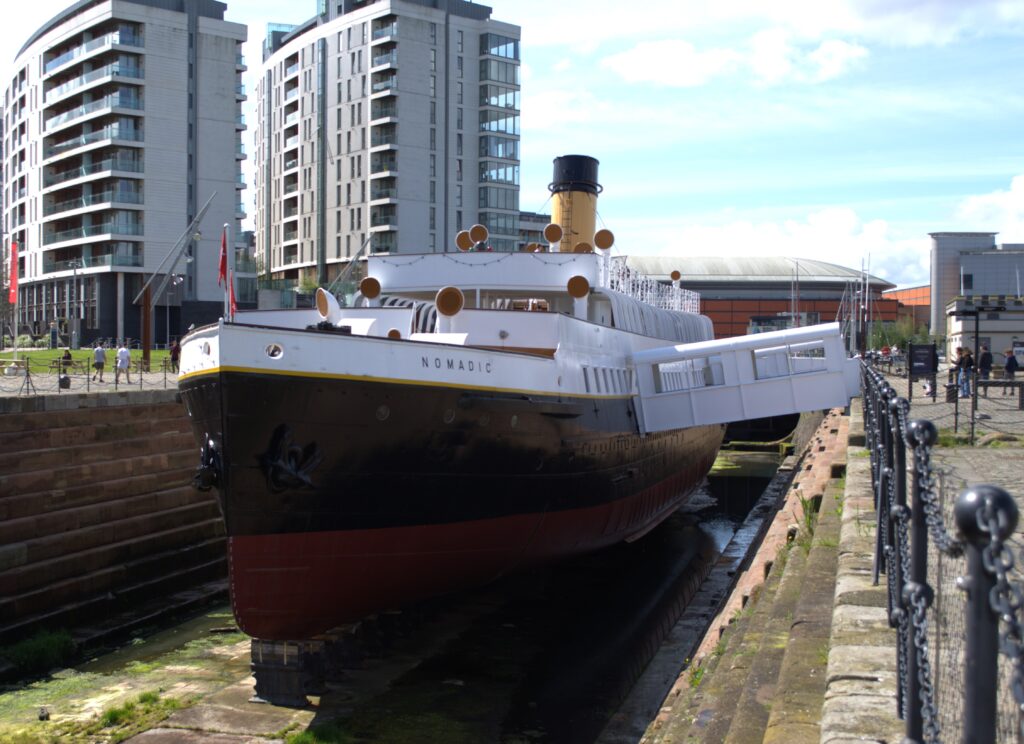
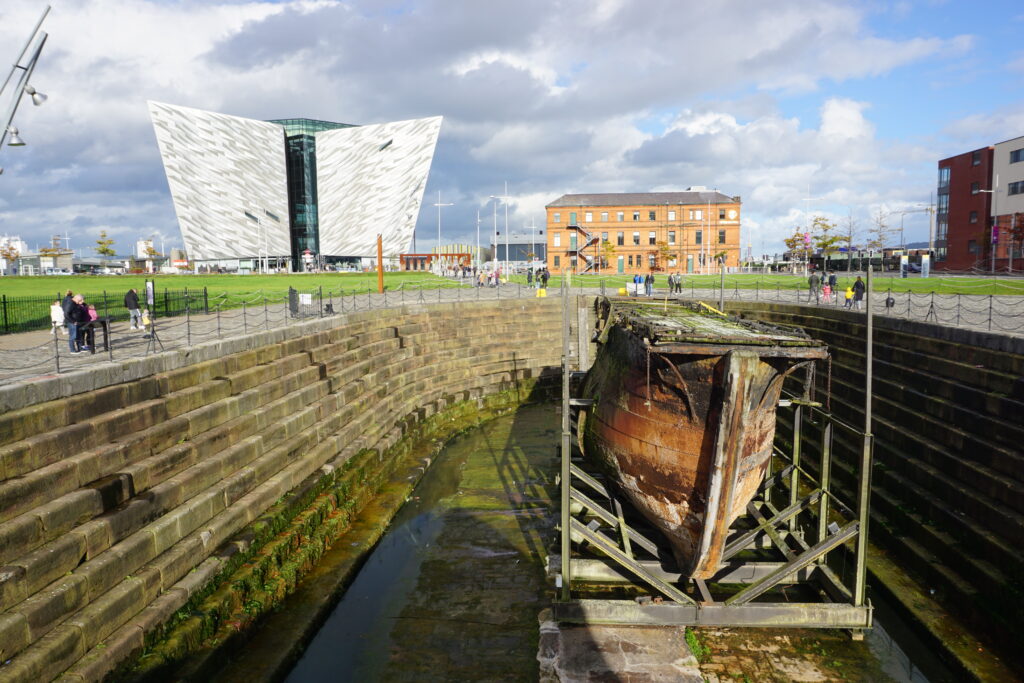
Your ticket also includes entry to the SS Nomadic, the small ship that ferried passengers to the Titanic from Cherbourg, as well as access to the dry dock and pump house, where you can see the scale of the ship’s engineering up close.
Allow at least two to three hours to explore the museum fully; longer if you’re visiting Belfast with kids. The exhibits are highly interactive and visual, so even if you’re not someone who reads every placard, there’s a lot to take in.
Be sure to allow yourself ample time to see the museum in full.
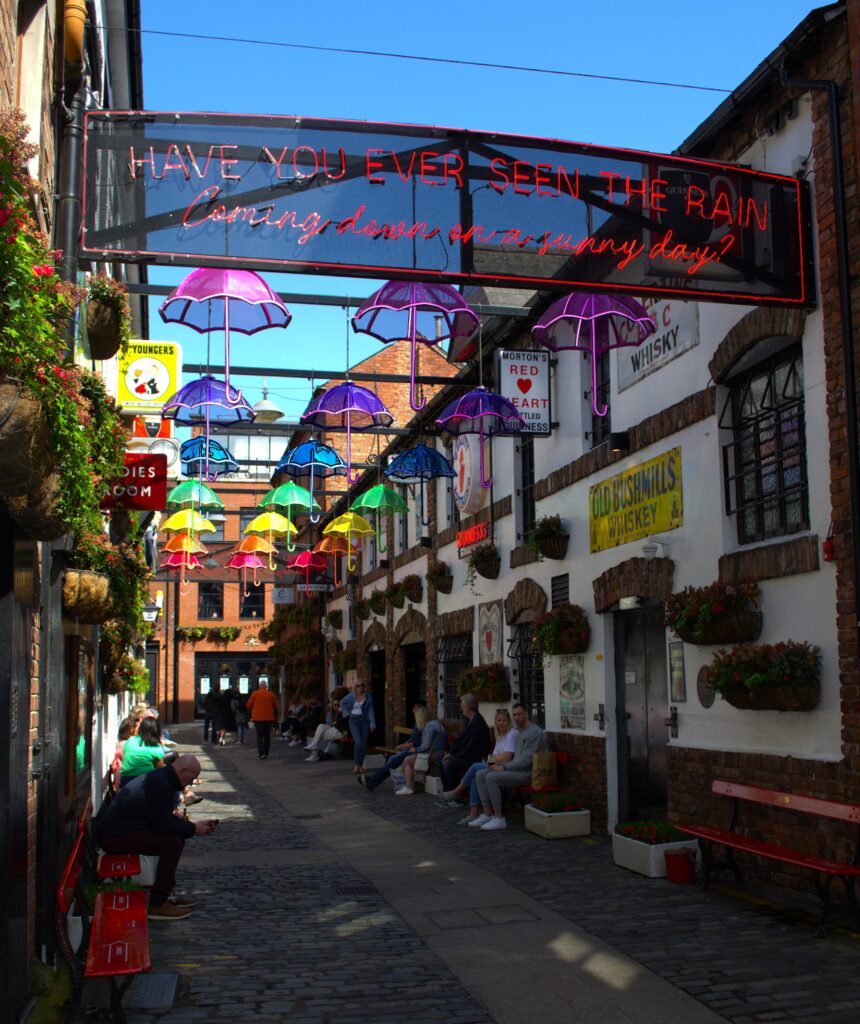
Evening: Dinner at the Crown and Live Music in the Cathedral Quarter
After an afternoon learning all about the Titanic and the history of Belfast as an industrial city, make your way back into the city for dinner at The Crown Liquor Saloon, one of Belfast’s most historic and beautiful pubs.
The building dates back to the 1800s and is famous for its intricate woodwork, stained glass, and tiled interiors. Try to sit in a snug if you can, as each of these small booths feels like its own private dining nook.
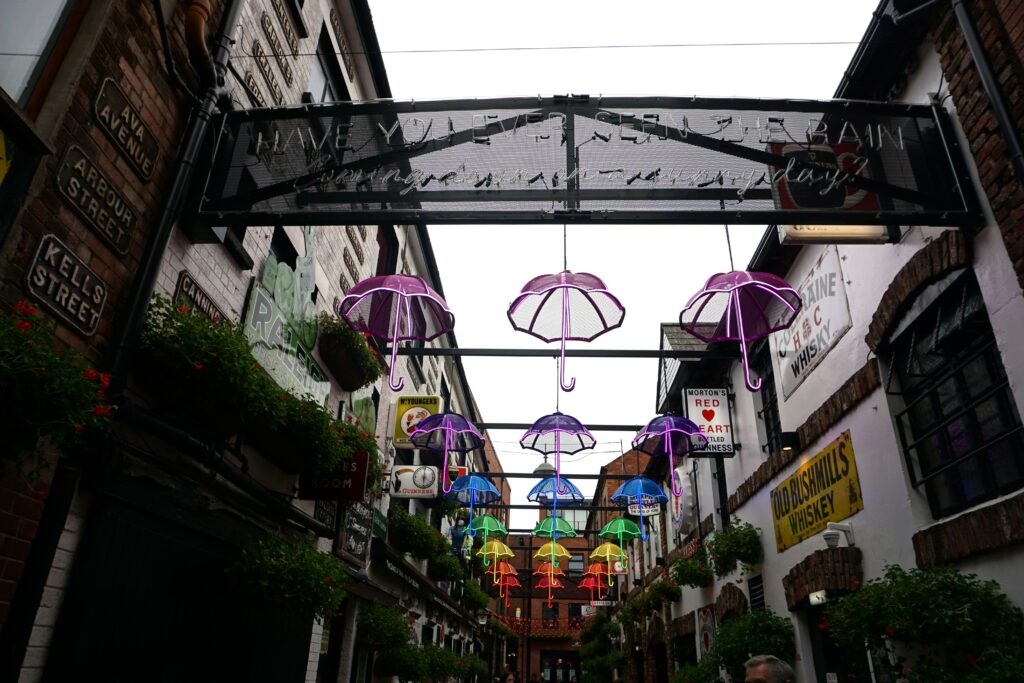
After dinner, make your way toward the Cathedral Quarter, Belfast’s liveliest neighborhood after dark. The narrow lanes here are packed with pubs, bars, and outdoor seating areas that fill up quickly on weekends.
Start your evening on Commercial Court, just off Hill Street, and look for the Duke of York, a local gem decorated with vintage mirrors and memorabilia. This pub is famous for its connection to local band Snow Patrol, which played some of its early gigs here.
See where the night takes you. Flit around from pub to pub, following the sounds of live music, or find a table, grab a cocktail, and get cozy in one spot. It’s truly hard to go wrong on a weekend evening in Belfast.
Sunday
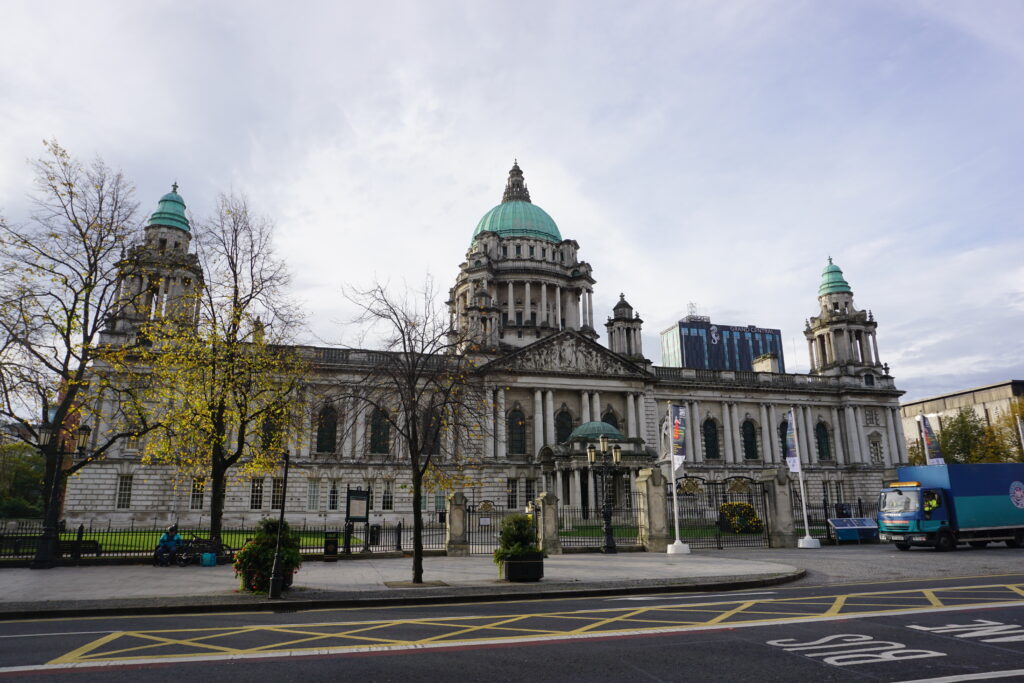
Morning: Belfast City Hall and St George’s Market
Start your final day in Belfast at City Hall, the ornate Victorian-era building you likely noticed while exploring downtown yesterday. Occupying an entire city block, it serves as the seat of government for both Belfast and Northern Ireland and stands as one of the city’s most recognizable landmarks.
The grounds are beautifully kept and include the Titanic Memorial Garden, which honors those who lost their lives in the disaster, as well as a statue of Queen Victoria, who granted Belfast its city status and commissioned the construction of the building itself.
Step inside to admire the grand entrance hall, where marble columns, sweeping staircases, and colorful stained glass windows showcase the city’s turn-of-the-century wealth and pride. While the building is beautiful, we’re really here for the exhibitions on the ground floor.
For just £4, you can take a self-guided tour through displays organized around multiple themes related to the city of Belfast.
One of my favorite exhibits focuses on the games of Belfast’s children during the early to mid-1900s. Short videos show kids jumping rope, running through alleys, and singing songs together. It’s a glimpse into a bygone era, before cars and electronics, when evenings were spent outside with friends.
Give yourself at least an hour to visit the exhibits, or as many as two hours if you’re an avid museum-goer. City Hall is one of the best things to see in Belfast, especially for visitors interested in the history of Northern Ireland.
After you’ve seen everything in City Hall, get ready to grab lunch at a Belfast institution: St. George’s Market.
No Belfast itinerary is complete without a stop at St George’s Market. This covered market is full of food vendors, artisans, and antique sellers in a colorful and historic setting.
For a real local experience, grab some gut-busting, traditional Irish fare at Belfast Bap Co and follow it up with some puddings from Dezurts. You may need to be wheeled out of there, but you’ll be glad to be all fueled up for this next activity…
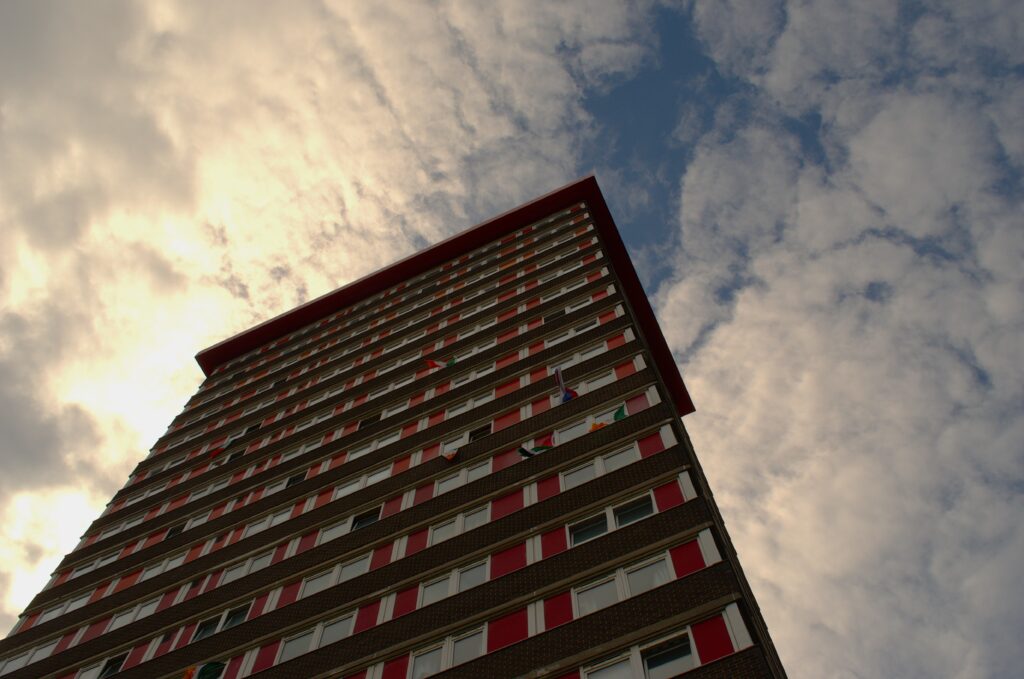
Afternoon: Both sides of the conflict walking tour
After lunch, head to Divis Tower for the Both Sides of the Conflict Walking Tour. If you want to understand modern Belfast, you need to learn about the Troubles, a 30-year period of sectarian violence that left thousands dead. Belfast was at the epicenter of the violence, with paramilitary militias on both sides waging war in the streets of the city.
The Troubles ended in 1998 with the signing of the Good Friday Agreement and bilateral disarmament from the paramilitary groups; however, the lasting effects of the conflict can still be seen and felt throughout the city and Northern Ireland.
The Both Sides of the Conflict Walking Tour is the best way to learn more and get a personal perspective on The Troubles and their legacy. I love this tour because you hear from people on both sides who were intimately involved in their movements.
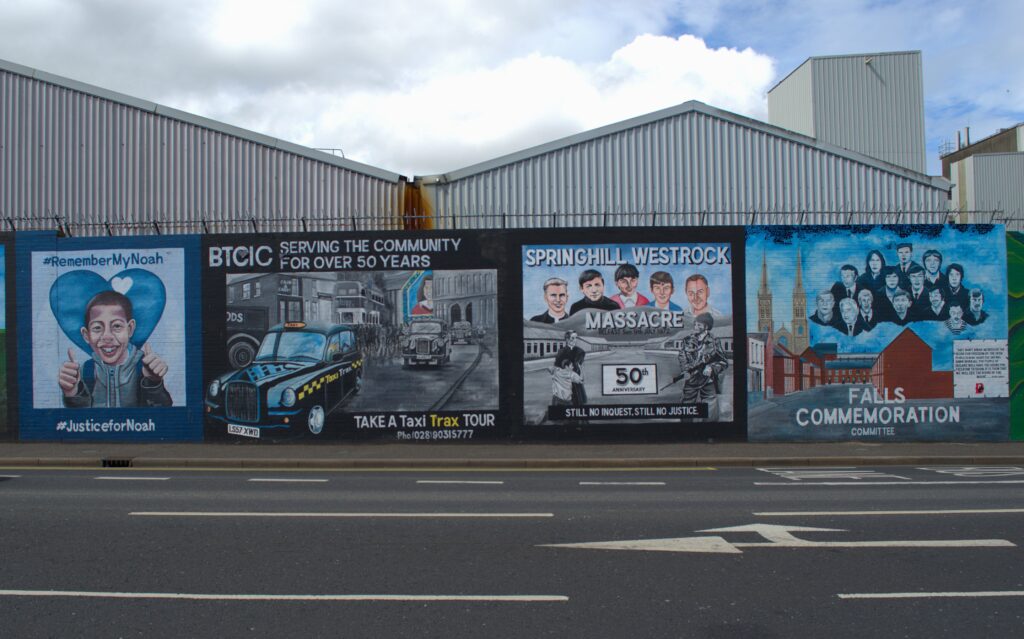
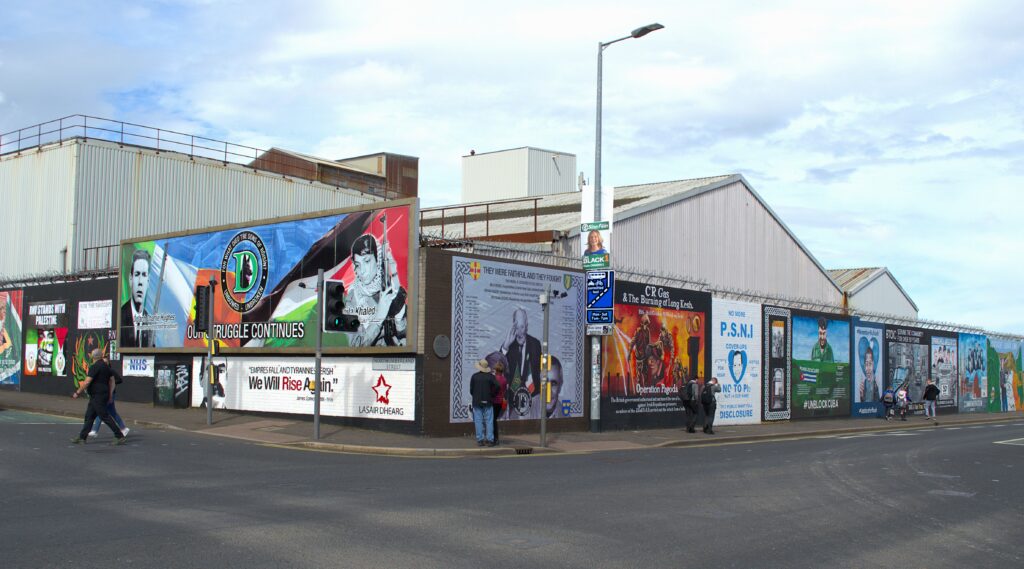

The tour begins with a Republican guide in a Republican neighborhood. Republicans wanted unity with the Irish Republic and were historically Irish Catholics.
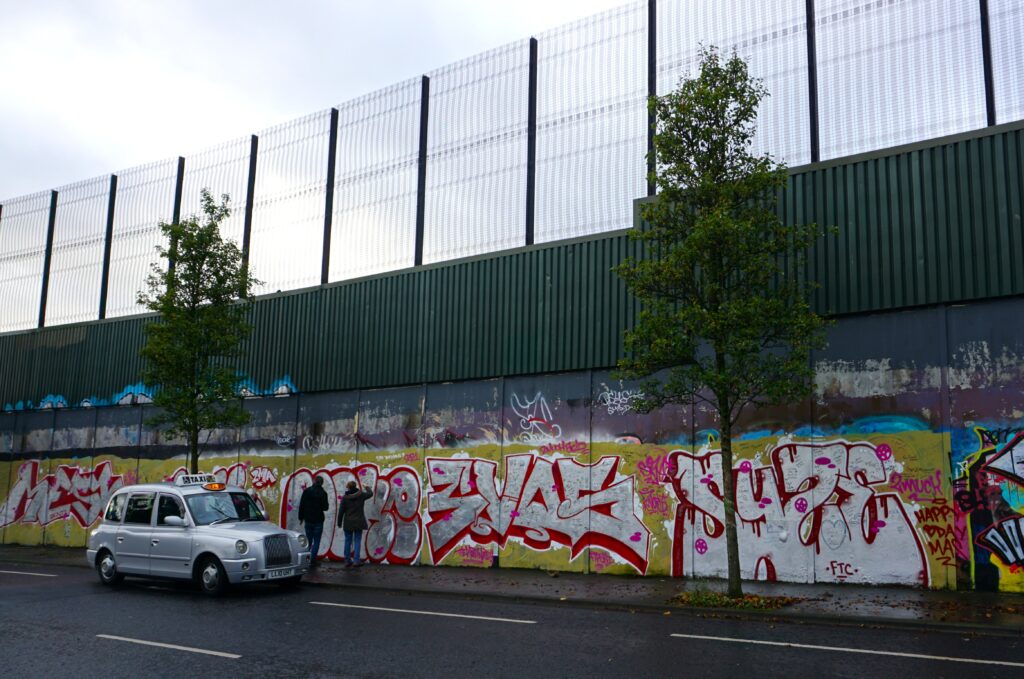
As you walk, your guide will tell you his personal stories from the time as you pass by poignant landmarks. You’ll see memorial gardens and murals honoring those lost to the violence, as well as homes pressed up against the city’s “Peace Wall,” many still protected by fencing to shield against objects thrown from the other side.
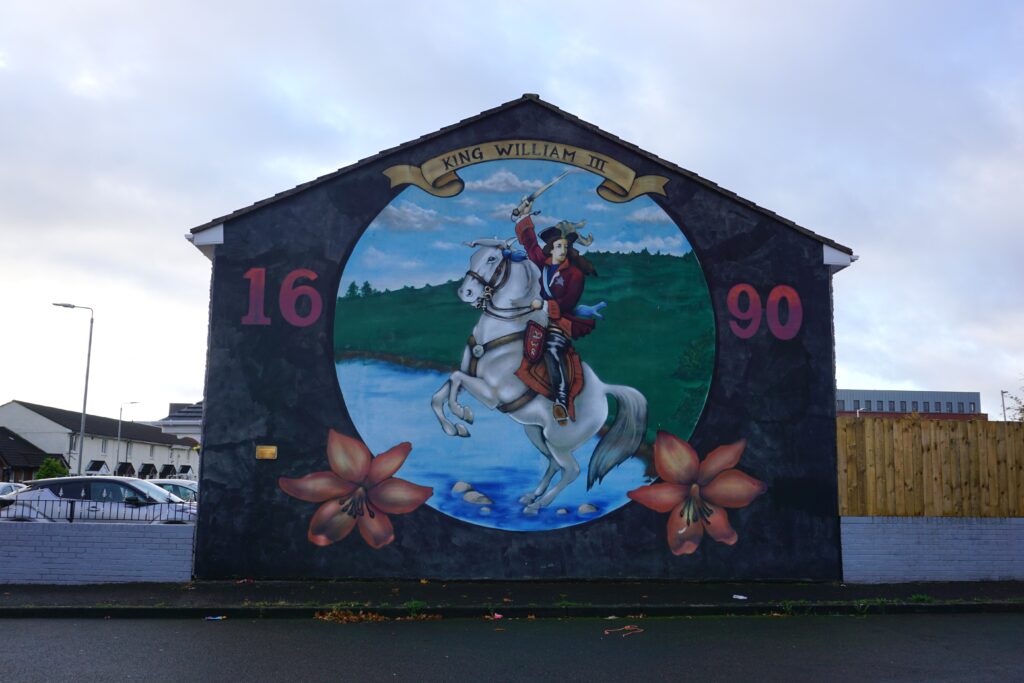
Halfway through the tour, at one of the gates along the Peace Wall, you’ll be handed off to your second guide, a British Loyalist (Loyalist refers to their loyalty to the British Crown, typically Ulster Protestants).
Your new guide offers an entirely different viewpoint, representing the Loyalist community that identifies as British and believes Northern Ireland should remain part of the United Kingdom.
This unique setup, where you hear directly from both communities, offers an incredibly balanced and humanizing perspective on the city’s divided past.
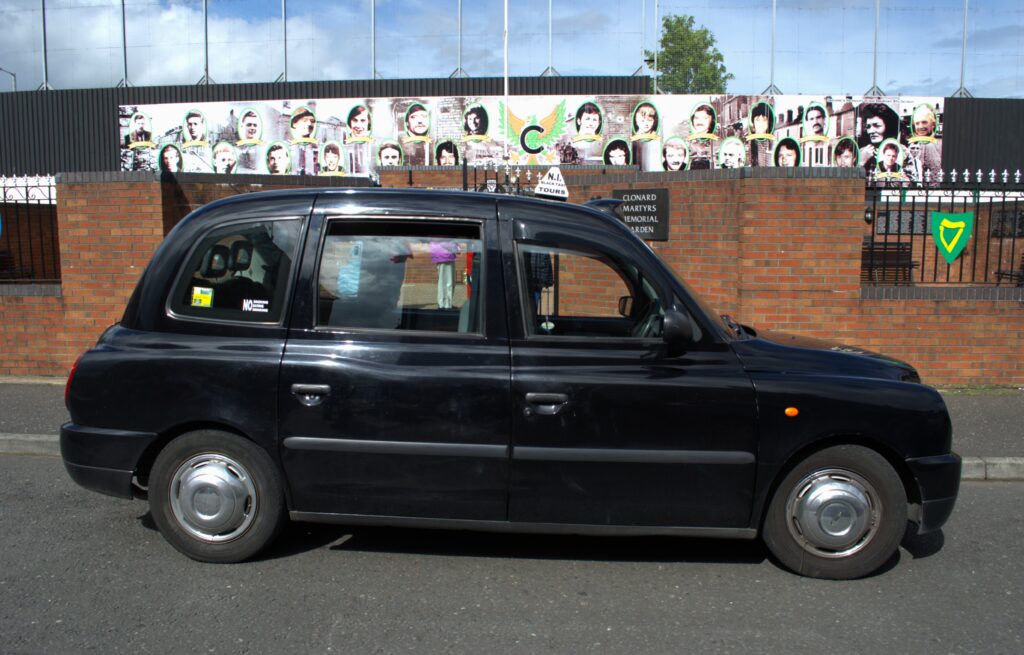
While I’ve also taken the popular Black Taxi Troubles Tour, the walking tour remains my top recommendation. It’s more immersive, giving you a feel for the geography of the city’s divisions, but more importantly, it offers an opportunity to hear from both sides. If you really want to understand this part of Belfast’s history, you need to know both perspectives.
If a three-hour walk sounds daunting or if mobility is an issue, the Black Cab Tours are a wonderful alternative. You’ll still gain valuable insight into Belfast’s complex history, albeit it will be one-sided and from the comfort of a cab rather than on foot.
Evening: Head home or to your next destination
As your weekend in Belfast comes to an end, it’s time to say goodbye… or move on to the next leg of your Irish adventure. Two days are definitely enough to get a taste of the city, but there is definitely more to do in Belfast.
From here, you have plenty of travel options.
You could head north along the Causeway Coast, one of the most scenic drives in Ireland, stopping at places like the Giant’s Causeway, Carrick-a-Rede Rope Bridge, and Dunluce Castle before continuing into Donegal or Sligo.
Alternatively, travel west to Derry/Londonderry, another fascinating city with deep historical roots, or make your way south to Dublin to continue exploring Ireland’s vibrant capital.
Check out these posts to help you plan the rest of your Ireland travels:
- A Weekend In Derry: The Perfect 2-Day Derry Itinerary
- 1 Day in Dublin: A Local’s Guide to the Perfect 24 Hours in Dublin
Where to Stay in Belfast
If it’s your first time in Belfast, the Cathedral Quarter is the perfect place to stay.
This lively, central neighborhood offers easy access to most of the city’s top attractions, including Belfast City Hall and the Titanic Quarter, all within walking distance. It’s also the heart of Belfast’s nightlife, packed with traditional pubs, live music venues, and cozy restaurants. You’ll be right in the middle of the action, making it an ideal base for exploring Belfast on foot.
More Things to Do in Belfast and Beyond
Taking a longer trip to Belfast or the region?
There are plenty of incredible day trips from Belfast. Take a day trip to the Giant’s Causeway, a UNESCO World Heritage Site famed for its natural basalt columns, or walk through the haunting Dark Hedges, one of Northern Ireland’s most famous filming locations from Game of Thrones.
If you’re looking for more to do around Belfast, head to the excellent Ulster Museum and Botanic Gardens in Queen’s Quarter or take a tour of Crumlin Road Gaol where hundreds of paramilitary fighters were held during the Troubles.
Final Thoughts on 2 Days in Belfast
A weekend in Belfast offers the perfect balance of history, culture, and modern energy. From exploring the stories of the Titanic to hearing firsthand accounts from both sides of the Troubles, the city’s past, creative spirit, and friendly locals make this a great destination to round out any Ireland itinerary (or even as a standalone weekend city break!).
Stroll through the revitalized downtown, listen to live music in the Cathedral Quarter, and take in sweeping views from Victoria Square. These things and more will make your weekend in Belfast unforgettable.
Ready to see more of Ireland? Check out more of my Ireland posts below. Your Irish adventure is just getting started.
- 30 Best Things to Do in Dublin on a Rainy Day
- Can You Drink Tap Water In Ireland? Advice From a Local
- 39 Famous Landmarks in Dublin You Need to Visit
- Is Dublin Safe to Visit? Advice From a Local
- Is Dublin Worth Visiting? 10 Reasons to Visit Dublin (By a Local)
- Drinking Age in Ireland: A Local’s Guide to Irish Drinking Laws
- A Weekend In Derry: The Perfect 2-Day Derry Itinerary
- 5 Best Whiskey Distilleries in Dublin, According to a Local
- One Day in Kilkenny, Ireland: The Perfect Kilkenny Day Trip From Dublin